

Updated for U.S. readers | Evidence‑based, practical, and experience‑driven
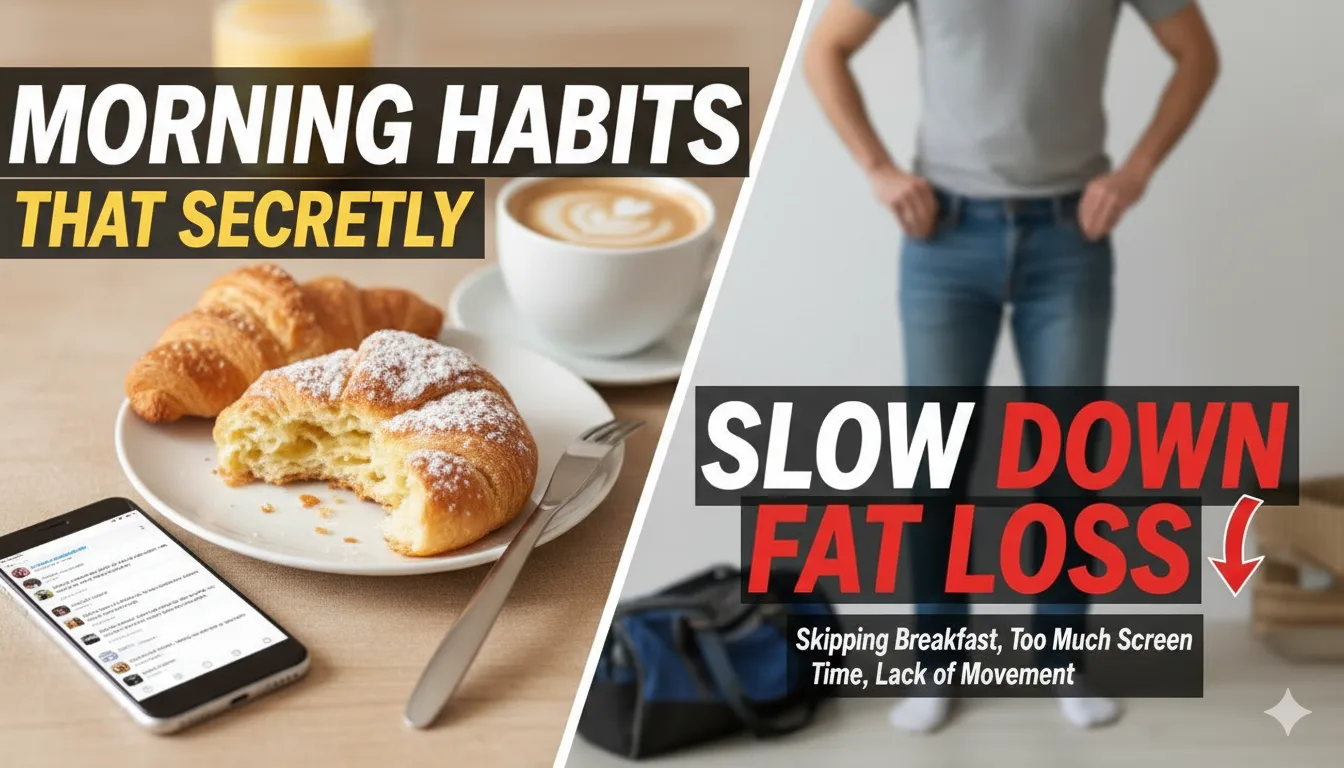
Losing fat isn’t only about what you eat for dinner or how hard you train at the gym. For many people in the United States, the real problem starts first thing in the morning. Certain habits — often done on autopilot — can quietly sabotage your metabolism, hormones, and energy levels for the entire day.
If you’ve been eating reasonably well, trying to stay active, yet still struggling with stubborn fat (especially belly fat), your mornings may be working against you without you realizing it.
In this guide, we’ll break down the most common morning habits that secretly slow down fat loss, explain why they matter from a physiological perspective, and show you simple, realistic fixes that actually fit a modern American lifestyle.
This article is written using current nutritional science, behavioral research, and real‑world observations — not hype or quick‑fix promises.
Why Mornings Matter More Than You Think
Your body follows a circadian rhythm — a natural 24‑hour clock that regulates hormones, digestion, insulin sensitivity, and fat metabolism. The way you start your morning sets the tone for this entire system.
Poor morning habits can:
- Increase cortisol (stress hormone)
- Reduce insulin sensitivity
- Slow metabolic rate
- Trigger cravings later in the day
- Encourage fat storage instead of fat burning
Fixing even one or two morning behaviors can create noticeable changes within weeks.
1. Skipping Water After Waking Up
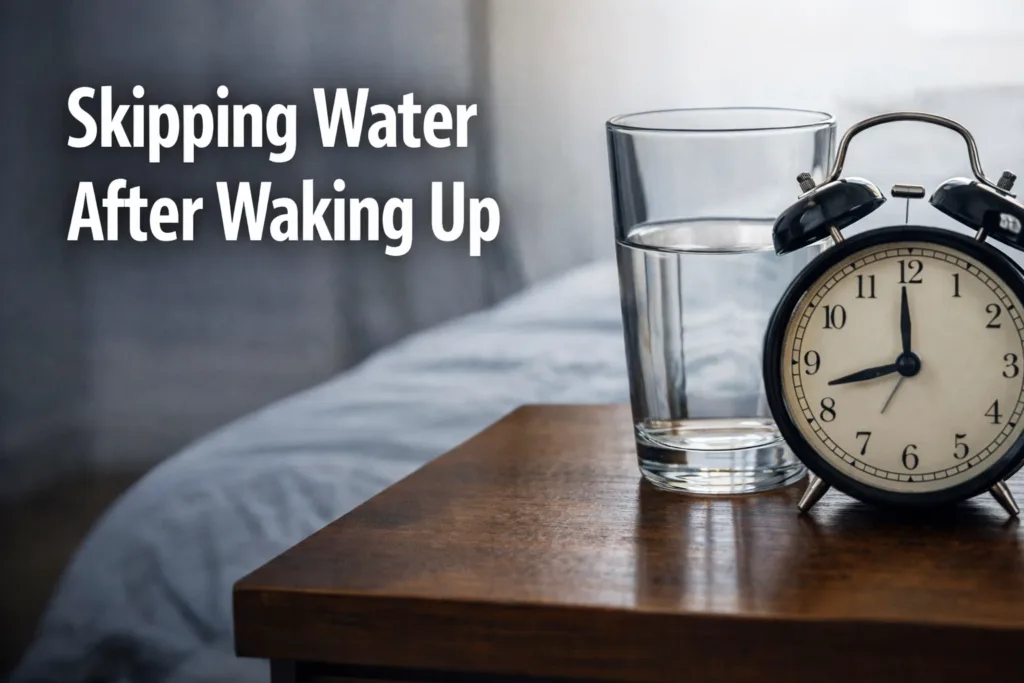
Many Americans wake up and go straight for coffee, checking emails, or rushing out the door — without drinking water.
After 6–8 hours of sleep, your body is naturally dehydrated. Even mild dehydration can slow metabolism and reduce energy expenditure.
Why This Hurts Fat Loss
- Dehydration reduces fat oxidation
- It increases fatigue, leading to less movement
- Hunger signals become confused with thirst
What to Do Instead
Drink 12–20 ounces of water within 30 minutes of waking up. Adding a pinch of sea salt or a squeeze of lemon can support hydration, but plain water works just fine.
2. Drinking Coffee on an Empty Stomach

Coffee isn’t the enemy — but timing matters.
Drinking caffeine immediately after waking, especially without food, can spike cortisol levels. Chronic cortisol elevation is strongly associated with abdominal fat storage.
Why This Hurts Fat Loss
- Increases stress response
- Disrupts blood sugar balance
- Can trigger mid‑morning crashes and cravings
Smarter Approach
Wait 60–90 minutes after waking before having coffee, or drink it after a light, protein‑based breakfast.
3. Eating a High‑Sugar or Refined Carb Breakfast
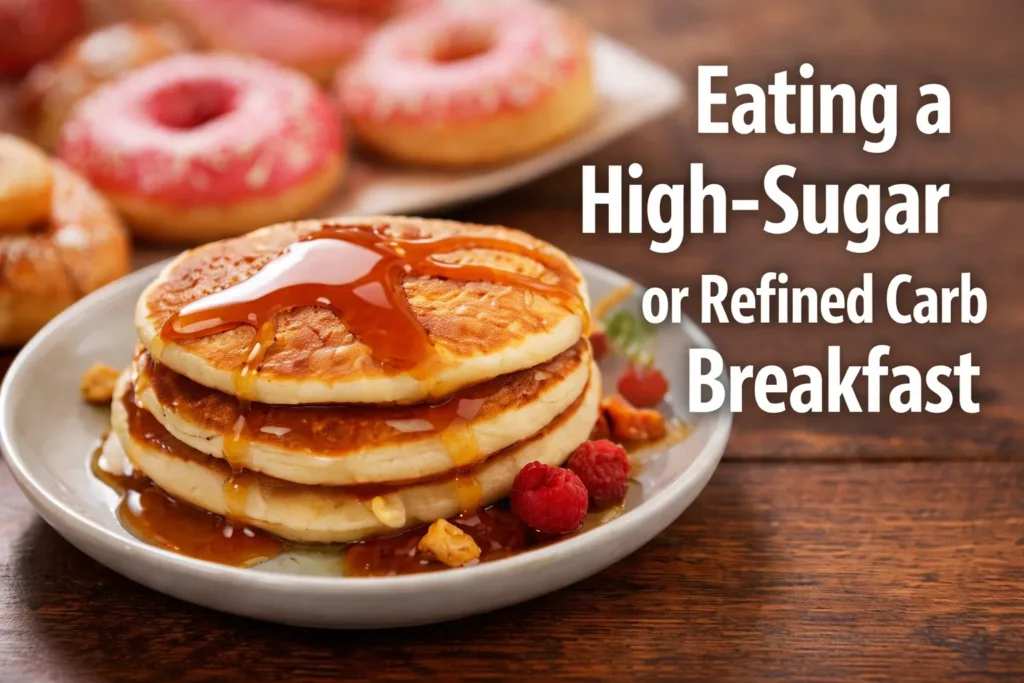
Cereal, pastries, white toast, flavored yogurt, and breakfast bars are marketed as “healthy” — but they often spike blood sugar.
What Happens in the Body
- Rapid glucose spike
- Insulin surge
- Blood sugar crash 1–2 hours later
- Increased hunger and fat storage
This cycle trains your body to store fat, not burn it.
Fat‑Loss‑Friendly Breakfast Principles
- Prioritize protein (20–30g)
- Include healthy fats
- Keep refined sugar low
Examples:
- Eggs with vegetables
- Greek yogurt with nuts
- Protein smoothie with fiber
4. Not Eating Enough Protein in the Morning
Protein is the most thermogenic macronutrient — meaning your body burns more calories digesting it.
Why Low Protein Slows Fat Loss
- Reduced muscle maintenance
- Slower metabolism
- Increased snacking later in the day
Research shows people who eat adequate protein in the morning naturally consume fewer calories over 24 hours.
5. Sitting for Too Long After Waking Up
Checking your phone, scrolling social media, or sitting at a desk immediately after waking sends the wrong signal to your metabolism.
Why This Matters
- Reduces insulin sensitivity
- Decreases daily calorie burn
- Lowers energy levels
Simple Fix
You don’t need intense exercise. Just 5–10 minutes of light movement helps:
- Walking
- Stretching
- Bodyweight movements
6. Ignoring Morning Sunlight
Sunlight exposure in the morning regulates melatonin and cortisol — both critical for fat metabolism.
Consequences of Missing Morning Light
- Poor sleep quality
- Hormonal imbalance
- Increased fat storage
Practical Tip
Get 10–20 minutes of natural sunlight within the first hour of waking. Even cloudy days count.
7. Chronic Morning Stress and Rushing
Running late, checking negative news, or jumping into work emails immediately activates your stress response.
How Stress Blocks Fat Loss
- Elevates cortisol
- Promotes abdominal fat storage
- Disrupts appetite regulation
Better Morning Mindset
- Avoid email for first 30 minutes
- Practice deep breathing
- Prepare the night before
8. Skipping Breakfast Entirely (When It’s Not Right for You)
Intermittent fasting works for some — but not everyone.
If skipping breakfast leads to:
- Overeating later
- Low energy
- Intense cravings
…it may be slowing fat loss rather than helping it.
Listen to your body, not trends.
9. Not Supporting Metabolism Nutritionally
As we age, metabolic efficiency naturally declines. Many adults in the U.S. don’t get enough nutrients that support fat metabolism from food alone — especially when mornings are rushed or inconsistent.
Key nutrients commonly linked to metabolic support include:
- B vitamins (energy metabolism)
- Magnesium (glucose control and muscle function)
- Chromium (blood sugar balance)
- Plant-based antioxidants (inflammation support)
Because of this, some people choose to add a natural weight‑loss support supplement to their morning routine — not as a replacement for healthy habits, but as a complement to them.
For example, Burn Slim is often used by individuals who want extra support for metabolism, appetite control, and daily energy. It’s typically taken alongside breakfast or the first meal of the day, fitting easily into a balanced morning routine without requiring extreme dieting.
When paired with proper hydration, protein intake, and light movement, supplements like Burn Slim may help support the body’s natural fat‑burning processes — especially for those who feel their progress has slowed over time.
It’s important to remember that no supplement works on its own. Long‑term results come from combining nutritional support with consistent habits.
10. Expecting Mornings Alone to Fix Everything
Morning habits are powerful — but fat loss is cumulative.
Consistency matters more than perfection.
Small, sustainable changes practiced daily will always outperform extreme routines followed for a week.
A Simple Fat‑Loss‑Friendly Morning Routine
Here’s a realistic example:
- Wake up → drink water
- Get sunlight exposure
- Light movement (5–10 min)
- Protein‑rich breakfast
- Coffee after food
- Calm start to work
No extremes. Just consistency.
Frequently Asked Questions (FAQs)
1. Can drinking water really help burn fat?
Yes. Proper hydration supports metabolism, fat oxidation, and appetite regulation.
2. Is coffee bad for weight loss?
No. Timing and quantity matter. Coffee can support fat burning when used correctly.
3. Should I exercise in the morning for fat loss?
Exercise helps, but movement of any kind is beneficial. Consistency matters more than timing.
4. Is skipping breakfast bad for everyone?
No. Some people thrive on fasting, others don’t. Choose what supports stable energy and appetite.
5. How long does it take to see results from changing morning habits?
Most people notice changes in energy and appetite within 1–2 weeks, and fat‑loss improvements within 3–6 weeks.
Final Thoughts
Fat loss doesn’t require extreme diets or punishing workouts. Often, the biggest breakthroughs come from fixing small daily habits, especially in the morning.
If your weight‑loss efforts feel stuck, don’t immediately cut more calories or train harder. Take a closer look at how your day begins — from hydration and movement to stress levels and nutrition.
For some people, adding gentle nutritional support like Burn Slim alongside healthier morning habits can make consistency easier and progress feel more achievable. The goal isn’t perfection, but creating a routine your body can actually sustain.
Your mornings may be quietly holding the key to long‑term, realistic fat loss.
This content is for educational purposes only and does not replace professional medical advice.
Refrence url: healthline


