

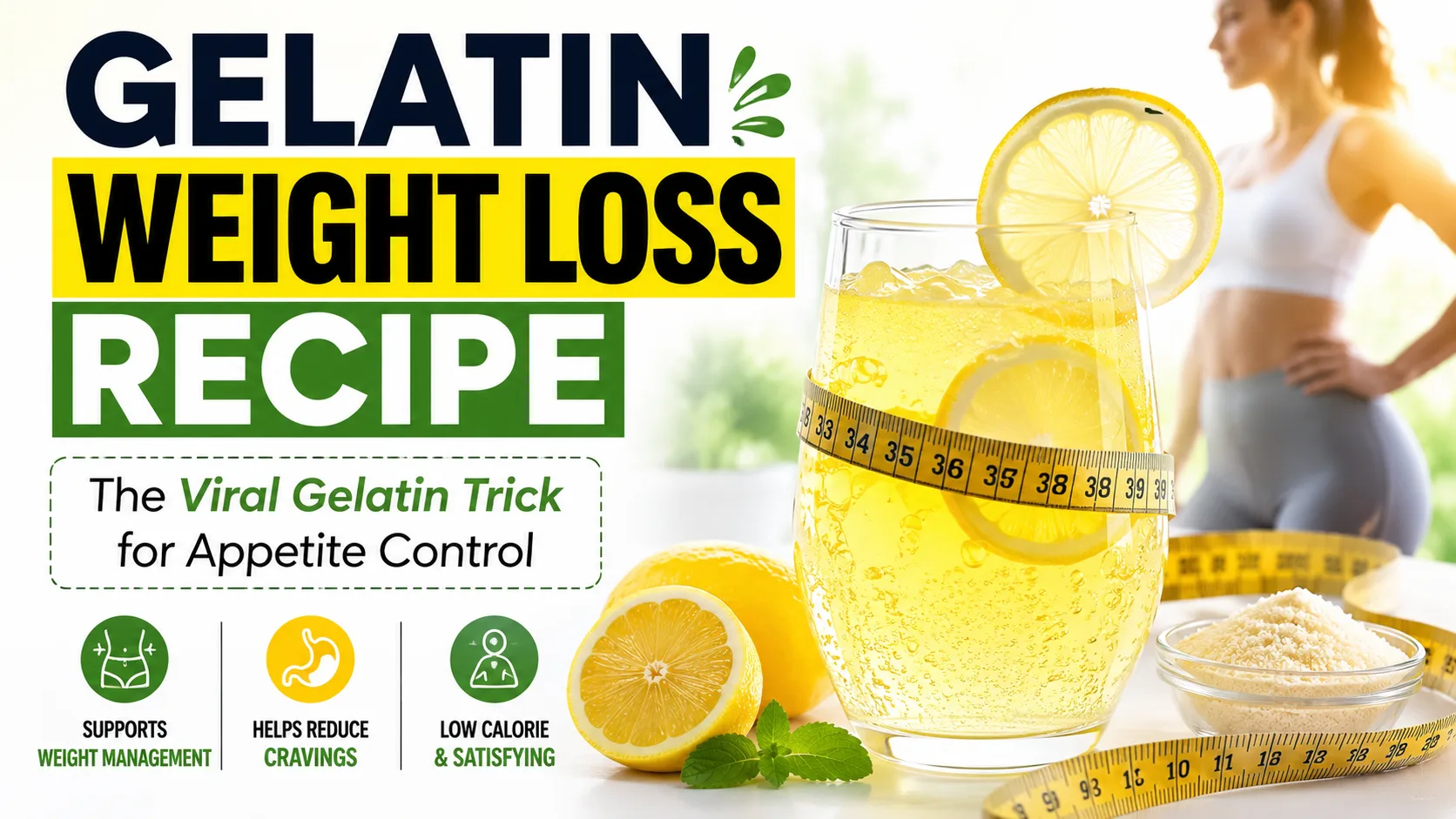
Many people searching for natural weight loss methods are turning to simple kitchen ingredients that can help them feel fuller for longer. One ingredient gaining attention is gelatin. While gelatin is not a magic weight loss solution, incorporating a gelatin weight loss recipe into a balanced diet may support appetite control, improve satiety, and help reduce unnecessary snacking.
This guide explores the science behind gelatin, its potential benefits for weight management, easy recipes you can make at home, and practical ways to include it in a healthy lifestyle.
What Is Gelatin?
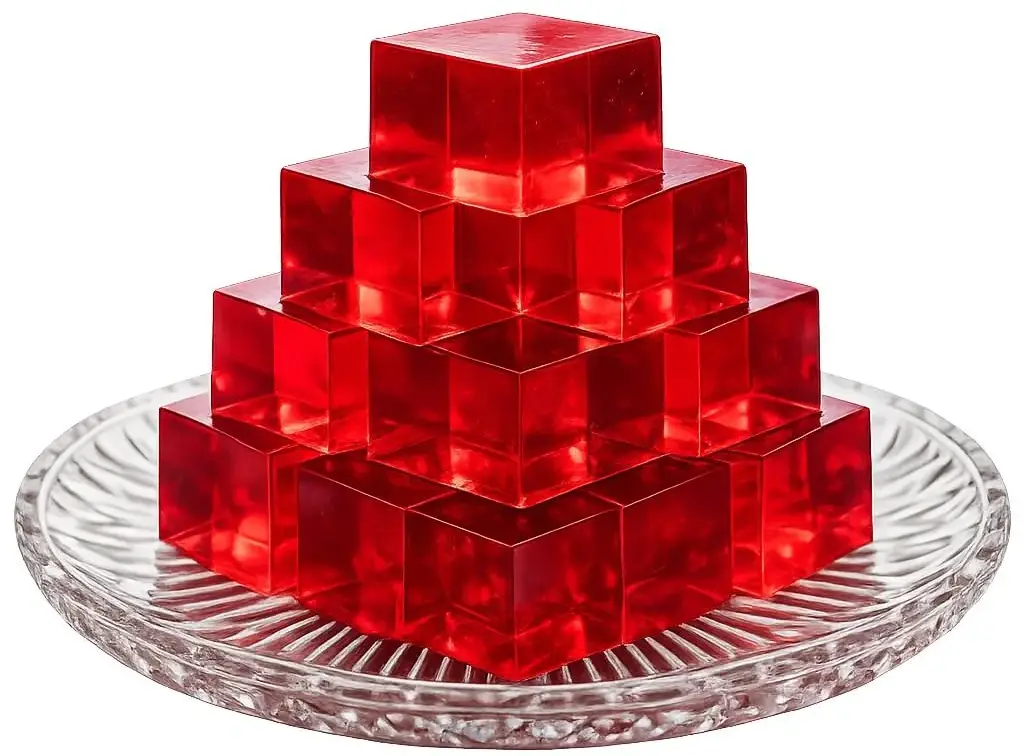
Gelatin is a protein-rich substance derived from collagen found in animal connective tissues, bones, and skin. It is commonly used as a thickening and gelling agent in foods such as:
- Jellies
- Gummies
- Marshmallows
- Desserts
- Soups
- Broths
Unlike many processed ingredients, plain unflavored gelatin contains very few calories and is primarily composed of protein.
Nutritional Profile of Gelatin
One tablespoon (approximately 7 grams) of unflavored gelatin typically contains:
| Nutrient | Amount |
|---|---|
| Calories | 23 |
| Protein | 6 grams |
| Fat | 0 grams |
| Carbohydrates | 0 grams |
| Sugar | 0 grams |
Because gelatin is high in protein relative to its calorie content, many people use it as part of a weight-conscious eating plan.
Can Gelatin Help With Weight Loss?

The simple answer is potentially, yes—but indirectly.
Gelatin does not burn fat. However, it may support weight loss efforts through several mechanisms.
1. May Increase Feelings of Fullness
Protein is one of the most satiating nutrients. Foods containing protein often help people feel fuller longer compared to foods high in refined carbohydrates.
Since gelatin is primarily protein, consuming it as part of a meal or snack may help reduce hunger between meals.
Why This Matters
When you feel satisfied:
- You may snack less frequently.
- You may consume fewer calories overall.
- It becomes easier to stick to a calorie-controlled diet.
2. Supports Healthy Eating Habits
Many gelatin recipes are naturally:
- Low in calories
- Low in sugar
- Easy to prepare
Replacing high-calorie desserts with a homemade gelatin snack may help reduce daily calorie intake.
3. May Support Blood Sugar Stability
Plain gelatin contains virtually no carbohydrates and does not cause major blood sugar spikes.
When paired with healthy foods such as berries or Greek yogurt, gelatin-based snacks can provide a satisfying alternative to sugary treats.
4. Provides Protein With Minimal Calories
Protein has a higher thermic effect than carbohydrates and fats, meaning the body uses more energy to digest it.
While gelatin alone won’t dramatically increase calorie burning, it can contribute to overall protein intake while keeping calories relatively low.
The Science Behind Gelatin and Appetite Control
Researchers have long studied the relationship between protein consumption and satiety.
Protein-rich foods may increase hormones associated with fullness, including:
- Peptide YY (PYY)
- GLP-1
- Cholecystokinin (CCK)
At the same time, protein may help reduce ghrelin, often referred to as the “hunger hormone.”
Although gelatin is not considered a complete protein because it lacks some essential amino acids, it can still contribute to feelings of fullness when consumed as part of a balanced diet.
Best Gelatin Weight Loss Recipe
Lemon Gelatin Fat-Friendly Drink
This is one of the simplest gelatin recipes often used by individuals looking for a low-calorie snack or beverage.
Ingredients
- 1 tablespoon unflavored gelatin
- 1 cup warm water
- Juice of ½ lemon
- 1 teaspoon honey (optional)
- Ice cubes
Instructions
- Pour warm water into a glass.
- Add gelatin and stir until completely dissolved.
- Add fresh lemon juice.
- Mix thoroughly.
- Allow it to cool slightly.
- Add ice if desired.
- Drink before meals.
Approximate Nutrition
- Calories: 25–35
- Protein: 6 grams
- Sugar: 0–5 grams (depending on honey)
High-Protein Berry Gelatin Cups
These make excellent meal-prep snacks.
Ingredients
- 2 cups water
- 2 tablespoons unflavored gelatin
- 1 cup mixed berries
- Natural sweetener to taste
Instructions
- Heat one cup of water.
- Dissolve gelatin completely.
- Add the remaining water.
- Mix in berries.
- Pour into containers.
- Refrigerate for 3–4 hours.
Benefits
- Low calorie
- High satiety
- Rich in antioxidants
- Convenient snack option
Greek Yogurt Gelatin Weight Loss Dessert
Ingredients
- 1 cup plain Greek yogurt
- 1 tablespoon gelatin
- ½ cup warm water
- Fresh strawberries
Directions
- Dissolve gelatin in warm water.
- Let cool slightly.
- Mix into Greek yogurt.
- Add strawberries.
- Refrigerate until set.
Why It’s Helpful
This recipe combines:
- Protein from gelatin
- Additional protein from yogurt
- Fiber from fruit
The combination may help keep hunger under control longer than traditional desserts.
Green Tea Gelatin Recipe
Green tea is often associated with healthy weight management.
Ingredients
- 2 cups brewed green tea
- 1 tablespoon gelatin
- Lemon slices
Instructions
- Brew green tea.
- Dissolve gelatin into warm tea.
- Add lemon slices.
- Refrigerate until firm.
Benefits
- Refreshing
- Low calorie
- Easy to prepare
- Great afternoon snack
Gelatin and Gut Health
Weight management isn’t only about calories.
Emerging research suggests gut health may influence:
- Appetite regulation
- Digestion
- Metabolism
- Food cravings
Gelatin contains amino acids such as:
- Glycine
- Proline
- Hydroxyproline
These compounds may support digestive health and help maintain the integrity of the intestinal lining.
While more research is needed, many people include gelatin as part of a gut-friendly eating routine.
Gelatin vs Collagen for Weight Loss
Many people wonder whether gelatin and collagen are the same thing.
| Feature | Gelatin | Collagen Peptides |
|---|---|---|
| Source | Collagen | Collagen |
| Dissolves in Cold Water | No | Yes |
| Forms Gel | Yes | No |
| Protein Content | High | High |
| Weight Loss Support | Similar | Similar |
Both provide protein and may support satiety.
The choice often comes down to personal preference and recipe requirements.
How to Use Gelatin for Weight Loss
To maximize potential benefits:
Before Meals
Consuming a gelatin drink 20–30 minutes before meals may help some individuals feel fuller.
As a Snack
Use gelatin cups instead of:
- Candy
- Cookies
- Ice cream
- Sugary desserts
In Smoothies
Blend gelatin into:
- Protein shakes
- Fruit smoothies
- Yogurt bowls
Common Mistakes to Avoid
Adding Too Much Sugar
Many commercial gelatin desserts contain:
- Added sugars
- Artificial flavors
- Preservatives
Choose plain unflavored gelatin whenever possible.
Expecting Rapid Weight Loss
No single food causes significant fat loss.
Successful weight management still depends on:
- Calorie balance
- Physical activity
- Sleep quality
- Stress management
Ignoring Overall Nutrition
A healthy diet should also include:
- Vegetables
- Fruits
- Lean proteins
- Whole grains
- Healthy fats
Gelatin should complement—not replace—nutritious foods.
Potential Benefits Beyond Weight Loss
Many people use gelatin for additional wellness goals.
Joint Support
Collagen-derived proteins may support healthy joints and connective tissues.
Skin Health
Some individuals consume collagen and gelatin as part of a beauty-focused nutrition plan.
Hair and Nails
Protein intake plays an important role in maintaining healthy hair and nails.
Recovery Support
Athletes sometimes use gelatin-containing foods as part of their recovery nutrition strategy.
Is Gelatin Safe?
For most healthy adults, plain gelatin is generally considered safe when consumed in moderation.
Possible side effects may include:
- Bloating
- Digestive discomfort
- Feeling overly full
Individuals with specific dietary restrictions should check ingredient sources before use.
Who Should Avoid Gelatin?
You may wish to consult a healthcare professional before increasing gelatin intake if you:
- Have food allergies
- Follow a vegan lifestyle
- Have digestive disorders
- Are pregnant or breastfeeding
- Have medical conditions requiring specialized diets
7-Day Gelatin Weight Loss Plan
Day 1
Breakfast:
- Oatmeal
- Berries
Snack:
- Lemon gelatin drink
Lunch:
- Grilled chicken salad
Dinner:
- Vegetables and fish
Day 2
Snack:
- Berry gelatin cups
Day 3
Dessert:
- Greek yogurt gelatin parfait
Day 4
Snack:
- Green tea gelatin
Day 5
Pre-meal:
- Lemon gelatin drink
Day 6
Snack:
- Homemade fruit gelatin
Day 7
Dessert:
- Protein-rich gelatin yogurt bowl
This approach allows you to incorporate gelatin without overrelying on it.
Frequently Asked Questions
Does gelatin burn belly fat?
No. Gelatin does not directly burn belly fat. It may help support appetite control and healthy eating habits that contribute to overall weight loss.
When should I drink gelatin for weight loss?
Many people consume gelatin 20–30 minutes before meals or as a low-calorie snack between meals.
Can I eat gelatin every day?
Most healthy adults can enjoy moderate amounts of plain gelatin daily as part of a balanced diet.
Is gelatin better than protein powder?
Gelatin can provide protein but is not a complete protein source. Protein powders often contain a broader amino acid profile.
How much gelatin should I take daily?
Many recipes use 1–2 tablespoons per day. Individual needs vary based on diet and health goals.
Final Thoughts
A gelatin weight loss recipe can be a simple and affordable addition to a healthy eating plan. While gelatin itself is not a fat-burning ingredient, its protein content may help promote fullness, reduce cravings, and make it easier to stick to a calorie-conscious lifestyle.
The most effective approach is to combine gelatin-based snacks with a balanced diet, regular physical activity, quality sleep, and consistent healthy habits. Whether you choose a lemon gelatin drink, berry gelatin cups, or a high-protein yogurt dessert, these recipes can offer a satisfying alternative to higher-calorie treats while supporting your overall wellness goals.


