

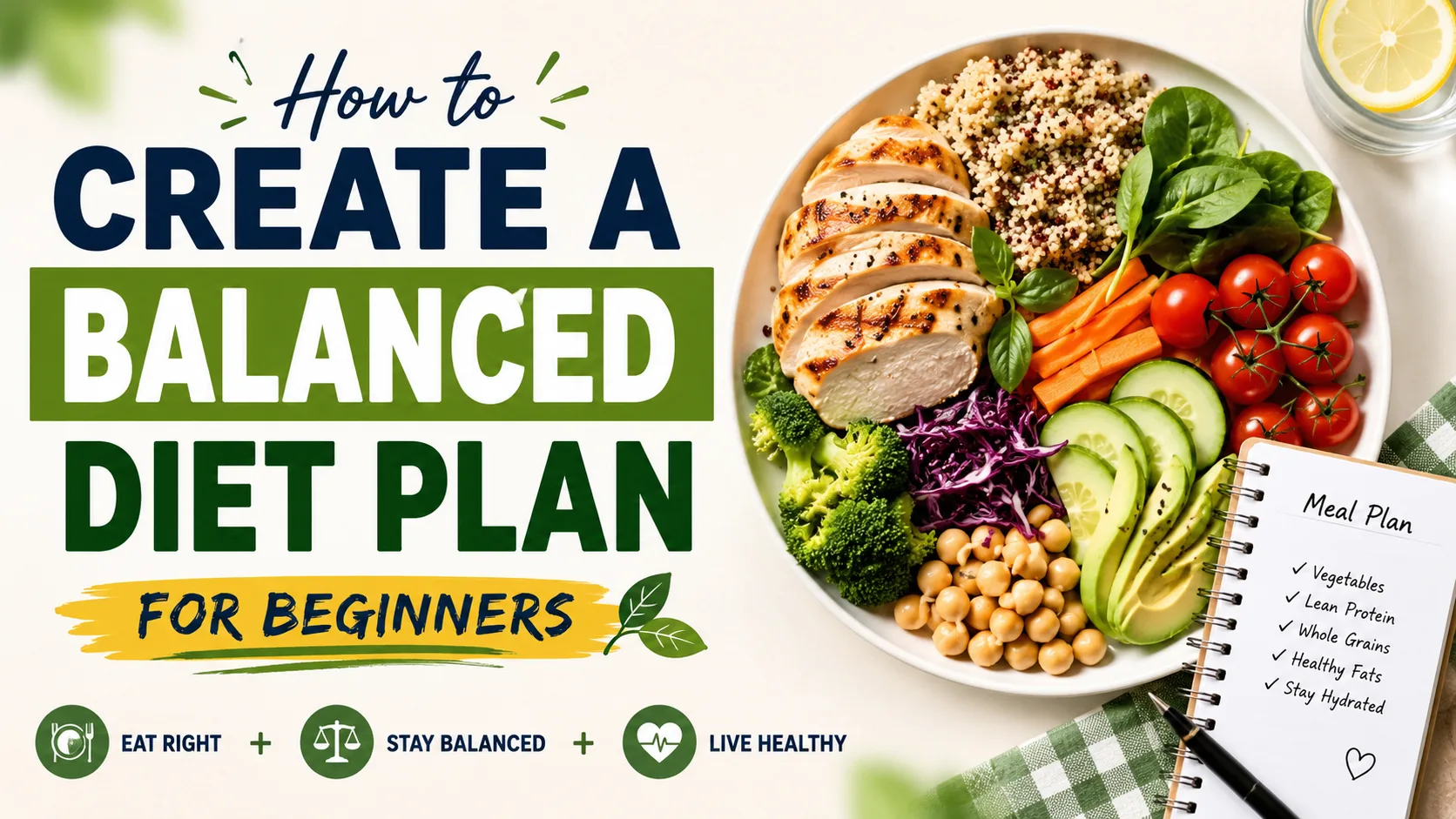
Creating a healthy diet plan can feel confusing when you are just getting started. There are countless diets, meal plans, food rules, and nutrition trends available online, and many of them seem to contradict one another. However, a balanced diet does not have to be complicated or restrictive.
A good diet plan is primarily about eating a variety of nutritious foods in appropriate amounts while creating habits that you can maintain over time. A balanced eating pattern generally includes vegetables, fruits, whole grains or other high-fibre carbohydrates, protein-rich foods, healthy fats, and appropriate amounts of dairy or fortified alternatives.
The World Health Organization describes a healthy diet around four basic principles: adequacy, balance, moderation, and diversity. The exact diet that works best can vary according to age, activity level, lifestyle, cultural food preferences, and individual nutritional needs.
If you are a beginner, the goal should not be to create a “perfect” diet overnight. Instead, focus on understanding what your body needs, choosing nutritious foods more often, planning meals in advance, and gradually improving your everyday eating habits.
Understanding the Basics of a Balanced Diet
What Is a Balanced Diet?
A balanced diet is an eating pattern that provides your body with the nutrients and energy it needs while including a wide variety of foods.
Your body needs several types of nutrients to function properly. These include carbohydrates, protein, fats, vitamins, minerals, fibre, and water.
No single food provides everything your body needs. That is why variety is one of the most important principles of a healthy diet.
For example, vegetables can provide vitamins, minerals, and fibre, while beans and lentils can provide protein and fibre. Whole grains can provide carbohydrates and fibre, while nuts and seeds can provide healthy fats and minerals.
A balanced diet brings these different foods together instead of relying heavily on one particular food or eliminating entire food groups without a medical reason.
The WHO recommends a varied diet based largely on minimally processed and unprocessed foods, with an emphasis on vegetables, fruits, legumes, whole grains, nuts, seeds, and appropriate protein sources.
Why Is a Balanced Diet Important?
Food provides your body with the raw materials it needs for everyday functions.
A balanced eating pattern can help support:
- Normal energy levels
- Muscle maintenance
- Bone health
- Immune function
- Digestive health
- Healthy body weight
- Normal growth and development
- Overall wellbeing
A healthy diet is also associated with a lower risk of several diet-related chronic diseases. WHO notes that healthy diets can help protect against malnutrition and noncommunicable diseases such as cardiovascular disease, diabetes, stroke, and certain cancers.
However, a balanced diet should not be viewed as a treatment for a specific medical condition. People with diabetes, kidney disease, food allergies, gastrointestinal conditions, eating disorders, or other health concerns may require individualized nutrition advice from a qualified healthcare professional.
The Main Components of a Balanced Diet
Understanding the major food groups makes creating a diet plan much easier.
1. Vegetables
Vegetables should be a regular part of your meals because they provide important vitamins, minerals, fibre, and other beneficial plant compounds.
Try to include different colors and varieties throughout the week.
Examples include:
- Spinach
- Broccoli
- Carrots
- Tomatoes
- Bell peppers
- Cauliflower
- Green beans
- Cabbage
- Peas
- Cucumbers
- Mushrooms
- Pumpkin
Instead of eating the same vegetable every day, rotate different options.
For example, you might have spinach with breakfast, a mixed vegetable salad at lunch, and broccoli or cauliflower with dinner.
WHO recommends that people over 10 years of age aim for at least 400 grams of fruits and vegetables per day as part of a healthy dietary pattern.
2. Fruits
Fruit is another important component of a balanced diet.
Fruits provide carbohydrates, fibre, vitamins, minerals, and naturally occurring sugars.
Good options include:
- Apples
- Bananas
- Oranges
- Berries
- Guava
- Papaya
- Mango
- Pears
- Watermelon
- Kiwi
Whole fruit is generally preferable to fruit juice because whole fruit contains fibre and is more filling.
You do not necessarily need to avoid fruit because it contains natural sugar. Instead, focus on variety and appropriate portions.
3. Whole Grains and High-Fibre Carbohydrates
Carbohydrates are an important source of energy.
The idea that all carbohydrates are unhealthy is misleading. The type and overall dietary pattern matter.
Better carbohydrate choices can include:
- Oats
- Brown rice
- Whole-wheat bread
- Whole-grain pasta
- Barley
- Quinoa
- Millet
- Corn
- Potatoes
- Sweet potatoes
- Whole-wheat roti
WHO recommends obtaining carbohydrates primarily from whole grains, vegetables, fruits, and pulses rather than relying heavily on refined or highly processed carbohydrate sources.
You do not have to completely remove rice, bread, roti, or potatoes from your diet. Instead, consider the quality, portion size, preparation method, and what you eat alongside them.
4. Protein-Rich Foods
Protein helps support muscles and many other important functions in the body.
Protein can come from both animal and plant foods.
Examples include:
- Eggs
- Fish
- Chicken
- Lean meat
- Milk
- Yogurt
- Cottage cheese
- Lentils
- Chickpeas
- Beans
- Soy foods
- Tofu
- Nuts and seeds
If you follow a vegetarian or vegan diet, combining a variety of plant-based protein foods can help you build a nutritious eating pattern.
Protein does not have to mean eating large amounts of meat. Lentils, beans, chickpeas, tofu, dairy products, eggs, fish, and other foods can all contribute to protein intake.
5. Healthy Fats
Fat is an essential nutrient and should not be eliminated completely.
The important issue is choosing appropriate sources and avoiding excessive intake.
Sources of predominantly unsaturated fats include:
- Nuts
- Seeds
- Avocado
- Olive oil
- Sunflower oil
- Soybean oil
- Canola oil
- Fatty fish
At the same time, it is sensible to limit foods high in saturated and industrially produced trans fats. WHO recommends shifting fat consumption toward unsaturated fats and limiting saturated and trans fats.
Remember that healthy fats are still calorie-dense, so portion size matters.
Don’t Forget Fibre
Fibre is found naturally in plant foods.
It supports normal digestive function and can help you feel satisfied after meals.
Good sources include:
- Vegetables
- Fruits
- Whole grains
- Lentils
- Beans
- Chickpeas
- Nuts
- Seeds
Instead of suddenly adding a very large amount of fibre to your diet, increase fibre gradually and drink enough fluids.
WHO’s current healthy-diet guidance recommends at least 25 grams of naturally occurring dietary fibre per day for people older than 10, while individual needs can vary.
How Much Water Should You Drink?
Water is another essential part of a healthy lifestyle.
Your fluid needs can vary depending on factors such as:
- Climate
- Physical activity
- Body size
- Diet
- Sweating
- Age
- Health conditions
Instead of relying on a single universal number, drink regularly throughout the day and pay attention to thirst and other signs of hydration.
Water is generally a better everyday beverage choice than sugary soft drinks.
Tea and coffee can also contribute to fluid intake, but added sugar and high-calorie additions can change the nutritional value of these drinks.
Understanding Portion Balance
One of the biggest mistakes beginners make is thinking that healthy food can be eaten in unlimited quantities.
Healthy foods still contain calories and nutrients, and portion sizes matter.
A simple way to build a balanced meal is to divide your plate conceptually into sections.
For example:
About half the plate: vegetables and/or fruit
About one-quarter: protein-rich food
About one-quarter: whole grains or other high-fibre carbohydrate
Then add a moderate amount of healthy fat and an appropriate dairy or fortified alternative if desired.
This is a practical framework rather than a strict rule. Your needs can change depending on your goals and circumstances.
Someone who exercises intensely may need more food than someone who has a sedentary lifestyle. Children, older adults, pregnant people, athletes, and people with certain medical conditions may also have different nutritional requirements.
How to Determine Your Diet Goal
Before creating your diet plan, decide what you want it to accomplish.
Your goal could be:
- Eating more nutritious foods
- Improving meal consistency
- Supporting healthy weight management
- Building healthier habits
- Increasing fruit and vegetable intake
- Eating more protein
- Reducing highly processed foods
- Improving overall dietary quality
Avoid choosing an unrealistic goal such as “I will never eat sugar again” or “I will lose a large amount of weight in two weeks.”
A better goal might be:
“I will include vegetables with lunch and dinner most days.”
Small goals are easier to measure and maintain.
How to Build Your Beginner Diet Plan
Now that you understand the fundamentals, you can start creating your own practical diet plan.
Step 1: Start With Your Current Eating Habits
Before changing everything, spend a few days observing what you already eat.
Write down:
- Breakfast
- Lunch
- Dinner
- Snacks
- Beverages
- Restaurant meals
- Desserts
- Portion sizes
- Meal timing
Do not judge yourself during this process.
The purpose is to identify patterns.
For example, you might discover that you rarely eat vegetables, drink sugary beverages every afternoon, skip breakfast, or rely on packaged snacks when you are busy.
Once you identify the problem, you can make targeted changes.
Step 2: Build a Simple Breakfast
Breakfast does not need to be complicated.
A balanced breakfast can contain a combination of protein, fibre-rich carbohydrates, fruit or vegetables, and healthy fats.
Examples include:
Option 1
Oatmeal + berries + nuts + yogurt
Option 2
Eggs + whole-grain toast + vegetables + fruit
Option 3
Plain yogurt + fruit + oats + seeds
Option 4
Vegetable omelet + whole-wheat toast
Option 5
Besan chilla + vegetables + yogurt
The best choice is one that fits your preferences and schedule.
If you are not hungry in the morning, you do not necessarily need to force yourself to eat a large breakfast. Meal timing can vary between individuals.
Step 3: Create a Balanced Lunch
Lunch should provide enough nourishment to keep you satisfied without making the meal unnecessarily complicated.
A simple lunch could contain:
- A vegetable component
- A protein source
- A whole-grain or other carbohydrate source
- A moderate amount of healthy fat
For example:
Vegetable salad + dal + brown rice + yogurt
Or:
Whole-wheat roti + mixed vegetables + chickpeas + yogurt
Or:
Grilled chicken + vegetables + whole grains
The exact combination depends on your dietary preferences.
Step 4: Make Dinner Balanced but Practical
Dinner does not have to be extremely small simply because it is the last meal of the day.
Instead, focus on overall dietary quality and portion balance.
Examples include:
- Grilled fish + vegetables + brown rice
- Chicken + vegetable soup + whole-grain bread
- Dal + vegetables + roti
- Tofu + stir-fried vegetables + rice
- Paneer + vegetables + whole-wheat roti
If you frequently feel overly full at night, consider whether your meals during the day are too small or whether dinner portions are larger than you need.
Step 5: Choose Better Snacks
Snacks can be part of a balanced diet.
The goal is not to eliminate snacks but to choose options that contribute useful nutrients when possible.
Some ideas include:
- Fresh fruit
- Plain yogurt
- Nuts
- Seeds
- Roasted chickpeas
- Carrot or cucumber sticks
- Boiled eggs
- Homemade popcorn with limited added salt
- Whole-grain toast
Packaged snacks can occasionally fit into a healthy diet, but frequently choosing foods high in added sugars, sodium, or unhealthy fats can make it harder to maintain a balanced eating pattern.
Step 6: Reduce Added and Free Sugars
You do not need to completely eliminate every sweet food.
However, regularly consuming large amounts of sugary drinks, sweets, desserts, and other foods high in free sugars can make it difficult to maintain a nutritious diet.
WHO recommends limiting free sugars to less than 10% of total energy intake, with a further reduction to 5% or less providing additional health benefits.
Common sources include:
- Soft drinks
- Sweetened tea and coffee
- Candy
- Cakes
- Cookies
- Sweetened cereals
- Syrups
- Desserts
- Some packaged drinks
A simple first step is to replace sugary beverages with water or unsweetened drinks more often.
Step 7: Watch Your Salt Intake
Salt is another ingredient to pay attention to.
WHO recommends that adults consume less than 5 grams of salt per day, equivalent to less than 2 grams of sodium.
Large amounts of sodium can come from processed and packaged foods, salty snacks, sauces, processed meats, and foods prepared with significant amounts of salt.
You can reduce your intake by:
- Tasting food before adding extra salt
- Using herbs and spices for flavor
- Choosing lower-sodium packaged products
- Limiting salty snacks
- Eating more fresh foods
- Reducing heavily processed foods
Step 8: Don’t Fear Carbohydrates
Carbohydrates are often misunderstood.
You do not automatically need to remove carbohydrates to create a healthy diet.
Instead, focus on the source.
Better choices can include:
- Oats
- Whole grains
- Brown rice
- Beans
- Lentils
- Fruits
- Vegetables
- Potatoes
- Sweet potatoes
Highly refined and heavily processed carbohydrate foods can be less filling and may contain significant amounts of added sugars, salt, or unhealthy fats depending on the product.
A balanced diet can include carbohydrates while emphasising higher-fibre and minimally processed options.
Step 9: Include Protein Throughout the Day
Rather than eating most of your protein at one meal, consider including a protein source across your meals.
For example:
Breakfast: eggs or yogurt
Lunch: lentils, beans, chicken, fish, tofu, or paneer
Snack: yogurt, nuts, seeds, or roasted chickpeas
Dinner: fish, chicken, tofu, beans, lentils, or another protein-rich food
The exact amount of protein you need depends on factors such as body size, age, activity level, health status, and goals.
If you are unsure about your protein needs, a registered dietitian or healthcare professional can help you determine an appropriate target.
Sample 7-Day Beginner Diet Plan
The following is an example of how you could organise a varied diet. It is not a personalised medical diet, and portions should be adjusted to individual needs.
Day 1
Breakfast: Oatmeal with banana, berries, and nuts
Lunch: Dal, brown rice, mixed vegetables, and yogurt
Snack: Apple and a small serving of nuts
Dinner: Grilled chicken or tofu, vegetables, and whole-grain roti
Day 2
Breakfast: Eggs, whole-grain toast, and fruit
Lunch: Chickpea salad with vegetables and whole grains
Snack: Plain yogurt with fruit
Dinner: Vegetable soup, beans, and whole-grain bread
Day 3
Breakfast: Yogurt, oats, fruit, and seeds
Lunch: Roti, dal, vegetables, and salad
Snack: Roasted chickpeas
Dinner: Fish or tofu with vegetables and rice
Day
Breakfast: Vegetable omelet and whole-grain toast
Lunch: Brown rice, beans, vegetables, and yogurt
Snack: Fruit and nuts
Dinner: Chicken or paneer with vegetables and roti
Day 5
Breakfast: Oatmeal with fruit and seeds
Lunch: Lentil soup, whole-grain bread, and salad
Snack: Yogurt and fruit
Dinner: Grilled fish or tofu with vegetables and sweet potato
Day 6
Breakfast: Besan chilla with vegetables and yogurt
Lunch: Chickpeas, brown rice, vegetables, and salad
Snack: Apple with nut butter
Dinner: Dal, mixed vegetables, and roti
Day 7
Breakfast: Eggs or tofu scramble, whole-grain toast, and fruit
Lunch: Vegetable and bean bowl with brown rice
Snack: Nuts and fruit
Dinner: Chicken, fish, tofu, or beans with vegetables and whole grains
This type of plan demonstrates variety rather than prescribing a rigid menu.
Foods to Eat More Often
A beginner-friendly diet can emphasize foods such as:
Fruits
Apples, bananas, berries, oranges, guava, papaya, pears, and other seasonal fruits.
Vegetables
Leafy greens, carrots, tomatoes, broccoli, cauliflower, peppers, beans, cabbage, and other vegetables.
Whole grains
Oats, brown rice, whole-wheat bread, barley, millet, quinoa, and other minimally processed grains.
Protein foods
Eggs, fish, poultry, beans, lentils, chickpeas, tofu, yogurt, paneer, nuts, and seeds.
Healthy fats
Nuts, seeds, avocado, and unsaturated vegetable oils.
The goal is not to eat only these foods. It is to make nutrient-rich foods the foundation of your regular diet.
Foods to Limit
You do not necessarily need to completely eliminate foods you enjoy.
Instead, foods high in free sugars, sodium, saturated fats, and industrial trans fats should generally be limited.
These may include:
- Sugary soft drinks
- Highly processed snacks
- Deep-fried foods
- Processed meats
- Excessively salty foods
- Cakes and pastries
- Candy
- Highly sweetened desserts
WHO emphasizes that healthy diets should prioritize minimally processed foods and limit foods high in unhealthy fats, free sugars, and sodium.
Common Beginner Diet Mistakes
1. Trying to Change Everything at Once
Completely changing your diet overnight can be difficult to maintain.
Instead, make two or three improvements at a time.
For example:
Week 1: Add vegetables to lunch and dinner.
Week 2: Replace sugary drinks with water more often.
Week 3: Add a protein source to breakfast.
Small changes can build into long-term habits.
2. Eating Too Little
A healthy diet is not about starving yourself.
Severely restricting food can leave you hungry, tired, and frustrated.
Your diet should provide adequate energy and nutrients for your individual needs.
3. Following Extreme Diet Trends
Extreme diets may promise rapid results, but they are not necessarily sustainable or appropriate for everyone.
A sustainable eating pattern should fit your lifestyle and provide a reasonable variety of nutrients.
4. Avoiding Entire Food Groups Without a Reason
Eliminating carbohydrates, fats, grains, or other food groups is not automatically necessary for healthy eating.
Some people may need specific dietary restrictions for medical, ethical, or personal reasons, but unnecessary restriction can make a diet harder to balance.
5. Focusing Only on Calories
Calories matter, but nutrition is about more than calories.
Two foods can contain similar calories while providing very different amounts of fibre, protein, vitamins, minerals, and other nutrients.
Food quality and overall dietary pattern matter too.
How to Make Your Diet Plan Sustainable
A successful diet plan should fit your real life.
If your plan requires cooking complicated meals every day, purchasing expensive ingredients, or avoiding all of your favorite foods, you may eventually stop following it.
Instead:
Keep meals simple
You can create nutritious meals with a few basic ingredients.
Meal prep when possible
Preparing vegetables, grains, and protein foods in advance can make healthy meals easier during busy days.
Keep healthy foods available
If fruit, yogurt, nuts, vegetables, and other nutritious foods are easily available, they can become convenient choices.
Allow flexibility
One restaurant meal or dessert does not ruin an otherwise balanced diet.
Think about your eating pattern over days and weeks rather than judging yourself based on one meal.
Eat slowly
Eating slowly can give you more time to recognize fullness.
Listen to your body
Hunger and fullness can provide useful information about when and how much to eat.
How to Shop for a Healthy Diet
A healthy balanced diet starts with what you bring home from the grocery store.
Before shopping, create a simple list.
Include:
Vegetables: spinach, carrots, tomatoes, broccoli, peppers
Fruit: apples, bananas, oranges, berries
Protein: eggs, yogurt, lentils, beans, chicken, fish, tofu
Grains: oats, brown rice, whole-wheat bread, whole-grain pasta
Healthy fats: nuts, seeds, avocado, unsaturated cooking oils
Shopping with a list can reduce impulse purchases and make meal preparation easier.
When buying packaged foods, check the nutrition label and ingredient list when available. Pay particular attention to serving size, sodium, added/free sugars, saturated fat, and the overall nutritional profile.
Can You Eat Your Favorite Foods on a Balanced Diet?
Yes.
A balanced diet does not require perfection.
If you enjoy pizza, chocolate, burgers, desserts, or other foods, you can generally include them occasionally while keeping your overall dietary pattern nutritious.
The important distinction is between foods that form the foundation of your diet and foods that you consume occasionally.
For example, eating vegetables, fruits, whole grains, and protein-rich foods regularly while occasionally enjoying dessert is very different from relying primarily on highly processed foods every day.
This flexible approach can make healthy eating easier to maintain.
Diet and Healthy Weight Management
If your goal is weight management, a diet can be part of the overall strategy.
Weight is influenced by many factors, including food intake, physical activity, sleep, medications, health conditions, genetics, and environment.
There is no single “best diet” for everyone.
A sustainable approach generally focuses on nutritious foods, appropriate portions, regular physical activity, adequate sleep, and habits that can be maintained over time.
Avoid extremely restrictive plans or promises of rapid weight loss.
If you have a significant amount of weight to lose or have an underlying medical condition, professional guidance can help you develop an appropriate plan.
The Importance of Physical Activity
balanced diet Diet and physical activity work together as part of a healthy lifestyle.
Regular movement can support cardiovascular health, muscular fitness, mobility, mood, and overall wellbeing.
You do not need to become an athlete to become more active.
Simple activities can include:
- Walking
- Cycling
- Swimming
- Dancing
- Strength training
- Yoga
- Recreational sports
Choose activities that you enjoy and can perform safely.
How to Track Your Progress
Tracking does not necessarily mean counting every calorie.
Instead, you can track simple habits.
For example:
- Number of servings of vegetables
- Fruit intake
- Water consumption
- Protein at meals
- Number of home-cooked meals
- Physical activity
- Sleep
- Energy levels
- Hunger and fullness
After a few weeks, review what is working and what is difficult.
Then make adjustments.
A successful diet plan should evolve as your lifestyle changes.
Frequently Asked Questions About a Balanced Diet
What is the simplest way to start a healthy diet?
Start by adding more vegetables and fruits, choosing mostly minially processed foods, including protein at meals, selecting higher-fibre carbohydrates, and reducing frequent consumption of foods high in free sugars, sodium, and unhealthy fats.
Do I need to count calories?
Not necessarily. Calorie tracking can be useful for some people, but it is not required for everyone. You can start by focusing on food quality, portion awareness, hunger and fullness, and overall dietary habits.
Can I eat rice on a balanced diet?
Yes. Rice can be part of a balanced diet. Portion size and the overall meal matter. You can also vary your grains by including brown rice, oats, barley, millet, quinoa, or other whole-grain options.
Is fruit healthy even though it contains sugar?
Whole fruit provides naturally occurring sugars along with fibre, vitamins, minerals, and other nutrients. It can be part of a balanced diet.
Should I completely stop eating sweets?
Not necessarily. Most people can include occasional treats while maintaining an overall nutritious diet. The goal is moderation rather than perfection.
How many meals should I eat each day?
There is no universal number that works for everyone. Some people prefer three meals, while others include snacks or different meal schedules. What matters most is whether your overall eating pattern meets your nutritional and energy needs.
Is a vegetarian diet balanced?
Yes, a vegetarian diet can be balanced when it includes a wide variety of vegetables, fruits, whole grains, legumes, nuts, seeds, and appropriate protein-rich foods. Depending on the exact dietary pattern, attention may also be needed for nutrients such as vitamin B12, iron, calcium, vitamin D, iodine, and omega-3 fats.
What should I drink on a healthy diet?
Water is an excellent everyday choice. Unsweetened tea or coffee can also fit into a healthy dietary pattern. Sugary drinks should generally be limited.
Final Thoughts
Creating a balanced diet plan for beginners does not require complicated rules, expensive foods, or extreme restrictions.
The foundation is simple: eat a variety of nutritious foods, balance your meals, pay attention to portions, stay hydrated, limit foods high in free sugars, sodium, and unhealthy fats, and build habits that you can maintain.
A healthy diet should include plenty of vegetables and fruits, whole grains or other high-fibre carbohydrates, protein-rich foods, and appropriate sources of healthy fats. The WHO emphasizes that healthy diets vary according to individual needs, cultural preferences, food availability, and lifestyle, while the fundamental principles of adequacy, balance, moderation, and diversity remain important.
Most importantly, do not expect perfection.
If your current diet needs improvement, start with one change. Add vegetables to one meal. Replace one sugary drink with water. Include a protein source at breakfast. Choose fruit instead of a highly processed snack.
Then build from there.
A balanced diet is not a short-term challenge. It is a long-term approach to nourishing your body and supporting a healthier lifestyle.
If you have a medical condition, are pregnant or breastfeeding, are taking medications affected by food intake, have significant dietary restrictions, or need a diet for a specific health goal, consult a qualified healthcare professional or registered dietitian for individualized guidance.


