

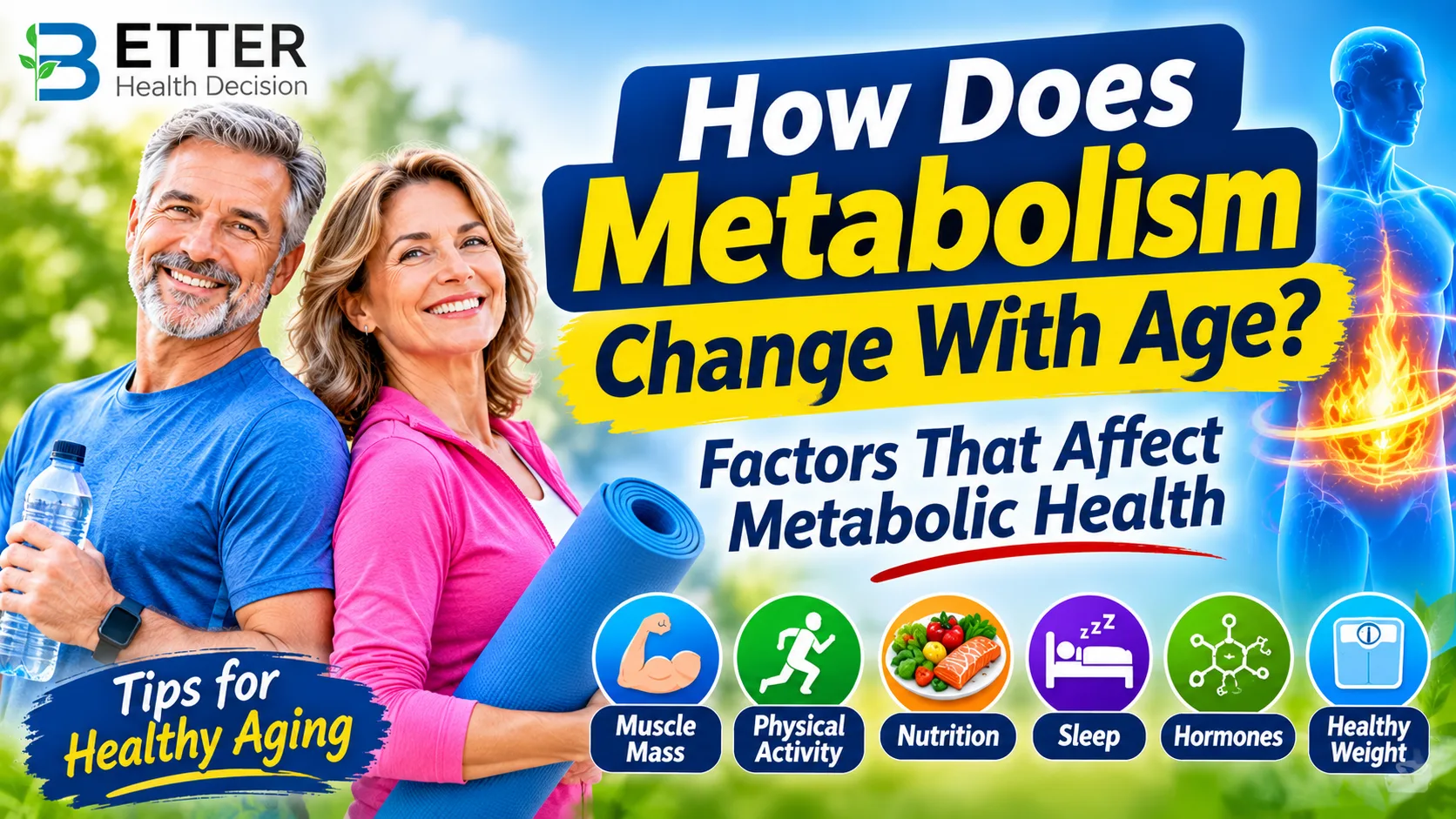
Metabolism plays an important role in how the body converts food into energy, maintains essential functions, and regulates overall health. However, as people get older, several physical and lifestyle changes can influence how efficiently the body uses energy. This often leads to questions about why metabolism changes with age and whether there are practical ways to maintain metabolic health.
Although metabolism is commonly associated with weight management, it involves much more than calorie burning. It includes processes that support breathing, circulation, digestion, hormone production, tissue repair, and other essential functions.
Understanding age-related metabolic changes can help people make informed decisions about nutrition, physical activity, sleep, and everyday wellness habits.
What Is Metabolism and Why Is It Important?
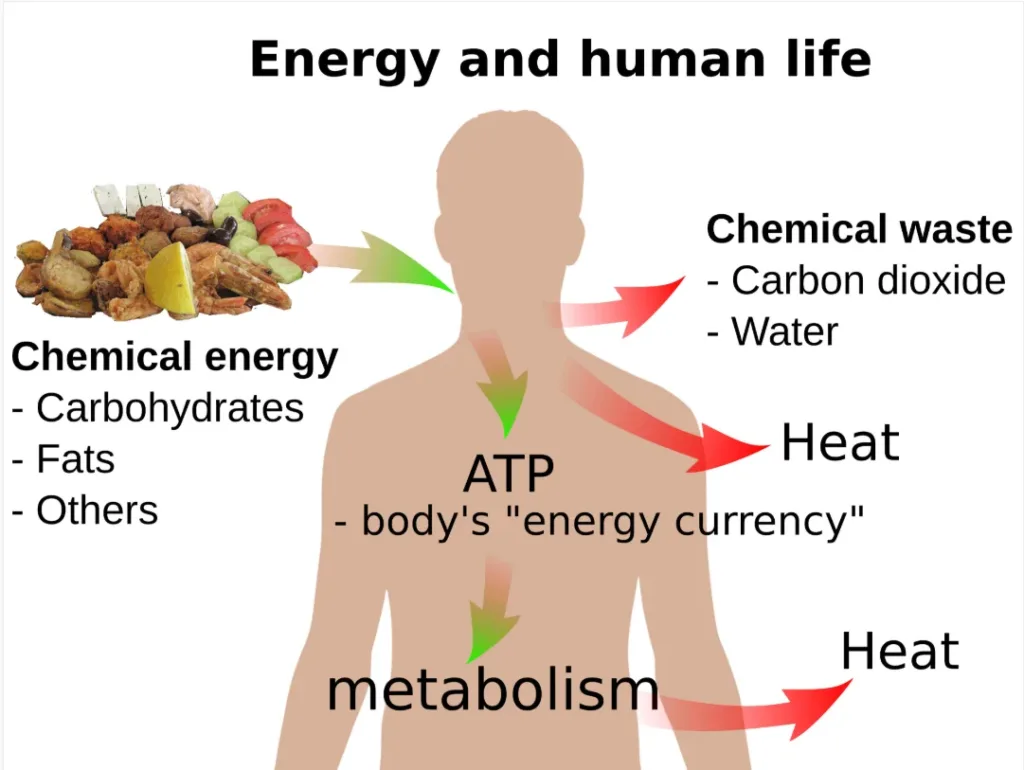
Metabolism refers to the collection of chemical processes that allow the body to convert food and stored nutrients into usable energy. These processes help maintain normal body functions and support physical activity.
The body uses energy for several purposes, including:
- Maintaining body temperature.
- Supporting heart and lung function.
- Repairing cells and tissues.
- Digesting and processing food.
- Maintaining muscle activity.
- Supporting brain and nervous system functions.
One important measurement related to metabolism is the basal metabolic rate (BMR). It represents the amount of energy the body needs while at complete rest to maintain essential functions.
Resting metabolic rate (RMR) is another measurement used to estimate energy expenditure during rest. Both measurements can help explain individual differences in daily calorie requirements.
How Does Metabolism Change With Age?







Metabolism does not suddenly slow down at a particular birthday. Instead, changes in metabolic health are influenced by several factors, including muscle mass, physical activity, hormones, body composition, and overall lifestyle.
Research published in Science in 2021 found that average daily energy expenditure, when adjusted for body size and composition, remains relatively stable from approximately age 20 to 60. It generally begins to decline after age 60.
This finding challenges the common belief that everyone’s metabolism automatically slows dramatically after turning 30 or 40.
Here are some important factors that influence metabolism throughout adulthood.
1. Changes in Muscle Mass

Muscle tissue requires more energy at rest than fat tissue. As people age, they may gradually lose muscle mass, particularly when they are physically inactive.
This age-related decline in muscle mass and strength is associated with a condition called sarcopenia.
Reduced muscle mass can influence resting energy expenditure and make it easier to gain weight when calorie intake remains higher than energy needs.
Resistance training, adequate protein intake, and regular physical activity can help maintain muscle strength and function.
2. Changes in Physical Activity

Daily movement often decreases as people get older. Work responsibilities, sedentary routines, joint discomfort, and lifestyle changes can reduce overall physical activity.
Less movement means fewer calories are used throughout the day.
Regular walking, cycling, swimming, and strength exercises can help maintain physical fitness and support metabolic health.
Even small changes, such as taking short walking breaks during work hours, can contribute to a more active lifestyle.
3. Hormonal Changes
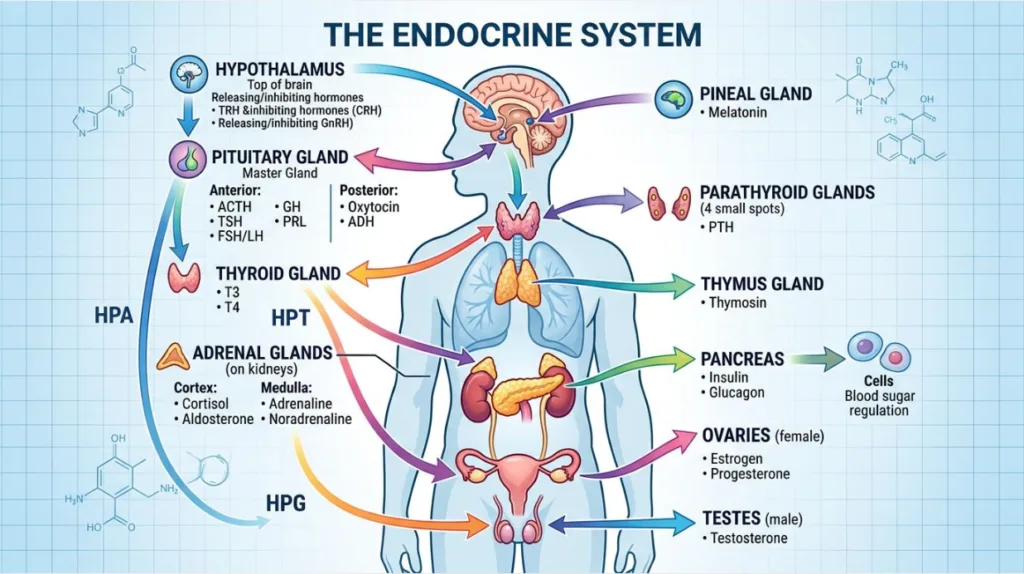
Hormones influence several metabolic processes, including appetite, energy regulation, blood sugar control, and body composition.
For example:
- Thyroid hormones help regulate metabolic activity.
- Insulin helps control blood glucose levels.
- Estrogen and testosterone influence body composition and other physiological functions.
- Cortisol plays a role in the body’s stress response.
Hormonal changes associated with aging may influence weight distribution, muscle maintenance, and energy levels.
However, hormonal changes are not the only explanation for changes in metabolism. Nutrition, activity, sleep, and medical conditions also matter.
4. Changes in Body Composition
Body composition describes the proportion of muscle, fat, bone, and other tissues in the body.
With aging, some adults experience an increase in body fat and a reduction in lean muscle mass.
These changes can influence resting metabolic rate and overall energy requirements.
Maintaining muscle strength through appropriate exercise and consuming a balanced diet can help support healthier body composition.
5. Sleep Quality and Metabolic Health
Sleep is essential for physical recovery, hormone regulation, and normal metabolic function.
Poor sleep patterns may influence hormones involved in appetite regulation, including ghrelin and leptin. Sleep deprivation can also affect insulin sensitivity and eating behaviors.
Adults generally benefit from approximately seven to nine hours of sleep each night.
Maintaining a consistent bedtime, limiting late-night screen exposure, and creating a comfortable sleeping environment may help improve sleep quality.
What Factors Affect Metabolic Health?
Metabolic health is influenced by several interconnected lifestyle and biological factors. Understanding these factors can help people identify practical areas for improvement.
Nutrition and Eating Habits
A balanced diet provides the nutrients required for normal metabolic functions.

Important dietary components include:
- Protein: Supports muscle maintenance, tissue repair, and normal body functions.
- Fiber: Supports digestive health and helps regulate post-meal blood glucose levels.
- Healthy fats: Provide essential fatty acids and support nutrient absorption.
- Complex carbohydrates: Provide energy and can contribute important nutrients when sourced from whole grains, legumes, and vegetables.
- Vitamins and minerals: Participate in numerous metabolic reactions.
Rather than following restrictive eating patterns, focus on a varied diet that includes vegetables, fruits, whole grains, lean protein sources, and healthy fats.
Physical Activity and Exercise
Exercise supports several aspects of metabolic health.
Different types of physical activity offer different benefits:
- Strength training helps maintain muscle mass.
- Aerobic exercise supports cardiovascular fitness.
- Walking increases daily movement.
- Flexibility exercises support mobility and physical function.
Combining strength training with moderate aerobic activity can be a practical approach for maintaining long-term physical wellness.
Hydration
Water supports digestion, circulation, temperature regulation, and other essential physiological processes.
Dehydration can affect physical performance and general well-being.
Drinking water regularly throughout the day and adjusting fluid intake according to activity level and environmental conditions can help maintain normal hydration.
Stress Management
Long-term stress can influence sleep, appetite, eating behaviors, and hormone regulation.
Stress management techniques such as meditation, breathing exercises, outdoor walks, and relaxing hobbies may support overall wellness.
Managing stress is not a direct metabolism-boosting treatment, but it can contribute to healthier daily routines.
How to Support a Healthy Metabolism Naturally
Although aging cannot be reversed, certain habits can support metabolic health throughout adulthood.
1. Include Protein-Rich Foods
Protein provides amino acids that help maintain and repair muscle tissue.
Good sources include eggs, fish, poultry, dairy products, beans, lentils, tofu, and nuts.
Protein requirements vary depending on age, activity level, body composition, and individual health conditions.
2. Perform Regular Strength Training
Resistance exercises help maintain muscle strength and function.
Activities such as weight training, resistance-band exercises, and bodyweight movements can be included in a weekly fitness routine.
People new to exercise should begin gradually and choose activities appropriate for their physical abilities.
3. Avoid Prolonged Inactivity
Sitting for extended periods can reduce daily energy expenditure.
Try incorporating short movement breaks, walking after meals, and taking stairs when appropriate.
Consistency is more important than occasional intense exercise.
4. Prioritize Consistent Sleep
A regular sleep schedule can support normal appetite regulation, recovery, and overall metabolic function.
Avoiding excessive caffeine late in the day and maintaining a relaxing bedtime routine may improve sleep quality.
5. Choose Nutrient-Dense Foods
Whole foods provide vitamins, minerals, fiber, and other nutrients needed for normal body functions.
Consider including leafy vegetables, berries, whole grains, legumes, seeds, and healthy protein sources in everyday meals.
6. Monitor Important Health Indicators
Metabolic health involves more than body weight.
Depending on individual circumstances, healthcare professionals may evaluate:
- Blood glucose levels.
- Blood pressure.
- Cholesterol and triglyceride levels.
- Waist circumference.
- Body composition.
Regular health assessments can help identify potential concerns and guide appropriate lifestyle or medical interventions.
Can Supplements Support Metabolic Health?
Some dietary supplements contain ingredients marketed for energy metabolism, weight management, or general wellness.
However, supplements should not be considered substitutes for a balanced diet, regular exercise, adequate sleep, or medical care.
Their effectiveness depends on the specific ingredients, dosage, product quality, and available scientific evidence.
For readers researching metabolism-related formulas, our Mitolyn Reviews 2026 and Lipozem Supplement Review articles provide additional product information to consider.
Before using any dietary supplement, review its ingredient list, safety information, possible interactions, and available research. Consult a qualified healthcare professional, particularly if you have an existing medical condition or take prescription medication.
Common Myths About Metabolism and Aging
Several misconceptions make it difficult to understand how metabolism actually works.
Myth 1: Metabolism automatically slows down after age 30.
Fact: Research suggests that average metabolic energy expenditure remains relatively stable between approximately ages 20 and 60 when adjusted for body size and composition.
Myth 2: Eating less is always the best way to improve metabolism.
Fact: Excessively restrictive diets can make it harder to meet nutritional needs and maintain muscle mass. Balanced nutrition is important.
Myth 3: Certain foods can dramatically speed up metabolism.
Fact: No single food can produce a dramatic or lasting increase in metabolic rate. Overall dietary patterns matter more.
Myth 4: Weight gain always means metabolism is slow.
Fact: Weight changes can result from calorie intake, physical activity, medications, sleep, hormonal changes, and several other factors.
Frequently Asked Questions (FAQs)
1. At What Age Does Metabolism Start Slowing Down?
There is no universal age when metabolism begins to decline. Research suggests that average daily energy expenditure remains relatively stable from around age 20 to 60 before generally declining later in life.
2. Why Does Metabolism Change as We Age?
Changes in muscle mass, body composition, physical activity, hormones, sleep patterns, and general health can influence metabolism over time.
3. Can You Improve Your Metabolism After 40?
You cannot completely control age-related biological changes, but regular exercise, strength training, balanced nutrition, adequate protein intake, and quality sleep can help support metabolic health.
4. Does Muscle Loss Affect Metabolic Rate?
Yes. Muscle tissue uses energy even at rest. Losing muscle mass can reduce resting energy expenditure, although the overall effect varies between individuals.
5. What Foods Support a Healthy Metabolism?
Protein-rich foods, vegetables, fruits, whole grains, legumes, nuts, and seeds provide nutrients that support normal metabolic processes.
6. Does Sleep Affect Metabolism?
Yes. Sleep influences appetite-regulating hormones, glucose metabolism, energy levels, and recovery. Consistent, adequate sleep is an important part of overall metabolic health.
7. How Does Exercise Support Metabolic Health?
Exercise supports muscle maintenance, cardiovascular fitness, insulin sensitivity, and overall physical function. A combination of aerobic activity and resistance training can be beneficial.
Final Thoughts
Metabolism changes throughout life, but aging alone does not explain every change in body weight, energy levels, or metabolic health. Muscle mass, physical activity, nutrition, hormonal factors, sleep, and general health all contribute to how the body uses energy.
The most practical approach is to focus on sustainable habits rather than searching for quick metabolic fixes. Eating a balanced diet, staying physically active, maintaining muscle strength, getting sufficient sleep, and monitoring important health indicators can support long-term wellness.
For people exploring additional metabolism-related wellness information, understanding the ingredients, research, and limitations of supplements such as Mitolyn and Lipozem can be another part of making informed decisions.
Science Journal (2021)
Metabolism and aging research
https://www.science.org/doi/10.1126/science.abe5017
NIH – MedlinePlus
Metabolism and general health
CDC
Physical activity and healthy aging
https://www.cdc.gov/physical-activity-basics
Harvard Health
Muscle mass and metabolism
https://www.health.harvard.edu
NIDDK
Weight management and metabolic health
NIH – Office of Dietary Supplements
Supplement ingredients and safety
National Institute on Aging
Healthy aging and exercise


