


Urinary health is an important part of overall wellness, but it is something many people overlook until they experience frequent urination, discomfort, changes in urinary habits, or nighttime bathroom visits. Maintaining a healthy urinary system involves more than simply drinking water. Daily habits, dietary choices, physical activity, and general health management can all contribute to urinary wellness.
The good news is that several simple lifestyle changes may help support normal urinary function. Alongside these habits, some people also explore nutritional supplements designed to support urinary health. In this guide, we will discuss practical ways to maintain urinary wellness naturally and introduce UroFlow as a supplement worth researching.
1. Stay Properly Hydrated Throughout the Day

Drinking enough water is one of the simplest ways to support urinary health. Water helps the kidneys remove waste products from the bloodstream and contributes to normal urine production.
When fluid intake is too low, urine may become more concentrated, potentially irritating the bladder in some individuals.
Helpful hydration habits include:
- Drink water regularly throughout the day.
- Increase fluid intake during hot weather or physical activity.
- Avoid drinking excessive amounts of water at once.
- Follow your healthcare professional’s fluid recommendations if you have kidney or heart conditions.
The ideal amount of water varies depending on age, activity level, climate, and individual health needs.
2. Maintain a Balanced, Nutrient-Rich Diet

Your everyday food choices can influence general urinary and kidney health. A balanced diet provides essential nutrients that support normal body functions.
Consider including:
- Fresh vegetables and fruits.
- Whole grains.
- Beans and other fiber-rich foods.
- Healthy fats.
- Appropriate sources of lean protein.
Foods containing antioxidants, vitamins, and minerals contribute to overall wellness. However, no single food can prevent or treat urinary conditions.
People with existing kidney disease may need individualized dietary recommendations.
3. Reduce Potential Bladder Irritants
Certain foods and beverages may increase bladder sensitivity or urinary urgency in some people.
Common potential triggers include:
- Excessive caffeine.
- Alcohol.
- Carbonated beverages.
- Very spicy foods.
- Artificially sweetened drinks.
You do not necessarily need to eliminate all these items. Instead, pay attention to your body’s response and identify whether particular foods or beverages are associated with urinary discomfort or urgency.
Keeping a simple food and symptom diary can help identify individual triggers.
4. Maintain a Healthy Weight and Stay Physically Active
Regular physical activity supports cardiovascular health, metabolic function, and overall well-being.
Maintaining a healthy weight may also help reduce unnecessary pressure on the bladder and pelvic floor.
Some useful activities include:
- Walking for 20–30 minutes.
- Light cycling.
- Swimming.
- Gentle stretching.
- Pelvic floor exercises when appropriate.
Pelvic floor exercises, sometimes called Kegel exercises, can help strengthen muscles involved in bladder control. Proper technique matters, so consider consulting a healthcare professional or pelvic floor therapist for guidance.
5. Avoid Holding Urine for Too Long
Regularly ignoring the urge to urinate may contribute to discomfort and disrupt normal bladder habits.
Try to:
- Use the bathroom when you feel a natural urge.
- Avoid unnecessarily delaying urination.
- Take enough time to empty your bladder comfortably.
- Maintain a consistent bathroom routine.
If you frequently feel that your bladder is not emptying completely, seek medical advice rather than attempting to manage the symptom with lifestyle changes alone.
6. Pay Attention to Sleep and Stress Management
Stress and poor sleep can affect many aspects of daily health, including bathroom routines.
For example, stress may increase awareness of bladder sensations, while excessive evening fluid intake or caffeine consumption may contribute to nighttime bathroom visits.
Consider these simple habits:
- Maintain a consistent sleep schedule.
- Limit caffeine later in the day.
- Avoid excessive fluid intake immediately before bedtime.
- Practice relaxation techniques.
- Include regular physical activity in your routine.
Frequent nighttime urination can have several underlying causes, so persistent symptoms deserve medical evaluation.
7. Explore Nutritional Support With UroFlow
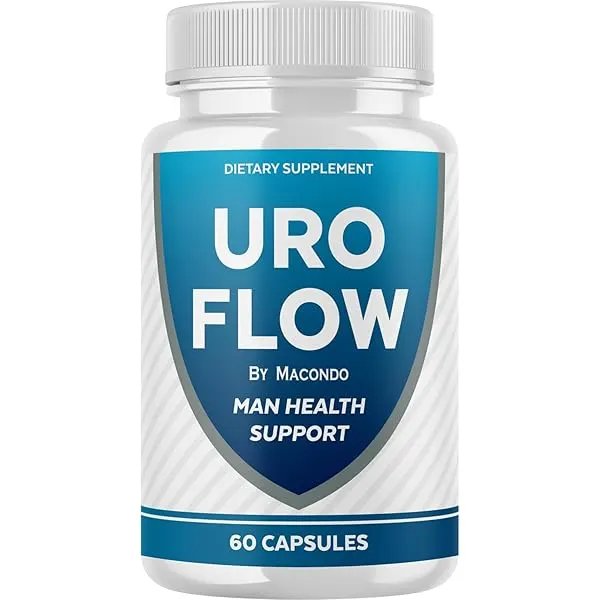
Along with healthy lifestyle habits, some adults explore nutritional supplements as an additional part of their wellness routine.
UroFlow Review is worth researching if you are looking for a supplement marketed toward urinary wellness.
Before considering any supplement, it is important to understand its ingredient profile, serving recommendations, product information, and available safety guidance.
When researching UroFlow, consider the following:
- Ingredient Transparency: Review the complete ingredient list and the amount of each ingredient per serving.
- Product Purpose: Understand the specific urinary wellness benefits claimed by the manufacturer.
- Quality Information: Look for manufacturing standards and available quality-testing information.
- Usage Instructions: Follow the manufacturer’s directions and consult a healthcare professional if you take medication.
- Purchase Information: Check the official product website for current pricing, package options, and refund terms.
A supplement should not replace a balanced diet, healthy habits, or medical care. Its effectiveness and safety depend on its actual ingredients, dosage, and available clinical evidence.
If you are interested in learning more, read our detailed UroFlow Review to explore its ingredients, product information, pricing, and important purchasing considerations before making a decision.
8. Recognize When Urinary Symptoms Need Medical Attention
Natural wellness habits are useful, but they are not substitutes for medical diagnosis or treatment.
Contact a healthcare professional if you experience:
- Persistent or painful urination.
- Blood in your urine.
- Frequent or urgent urination.
- Difficulty starting or maintaining urine flow.
- A feeling that your bladder is not emptying.
- Repeated nighttime urination.
Seek prompt medical attention if you have fever, chills, back or side pain, vomiting, or difficulty passing urine. Inability to urinate requires urgent medical care.
Frequently Asked Questions
1. What is the best natural way to support urinary health?
Staying hydrated, eating a balanced diet, maintaining physical activity, and avoiding personal bladder irritants are practical ways to support general urinary wellness.
2. Does drinking more water improve urinary health?
Adequate hydration supports normal kidney function and urine production. However, drinking excessive water is not necessary and may be unsuitable for people with certain medical conditions.
3. Can diet affect bladder health?
Yes. Caffeine, alcohol, spicy foods, and certain beverages may trigger urinary symptoms in some individuals. Identifying personal triggers can be helpful.
4. Can supplements support urinary wellness?
Some supplements contain ingredients marketed for urinary wellness. However, benefits depend on the formulation and supporting evidence. Always review ingredients and discuss supplements with a healthcare professional.
5. Is UroFlow a replacement for medical treatment?
No. UroFlow should not be considered a replacement for professional diagnosis, prescribed medication, or treatment for urinary conditions.
Final Thoughts
Supporting urinary health naturally starts with consistent daily habits. Drinking adequate water, choosing nutritious foods, staying active, managing stress, and paying attention to bladder signals can all contribute to overall wellness.
If you are exploring additional nutritional support, researching products such as UroFlow can help you understand the available options. Before purchasing, review its ingredients, safety information, manufacturer details, and current product terms.
Remember: Healthy habits are a foundation for wellness, while persistent urinary symptoms should always be evaluated by a qualified healthcare professional.


