

Introduction
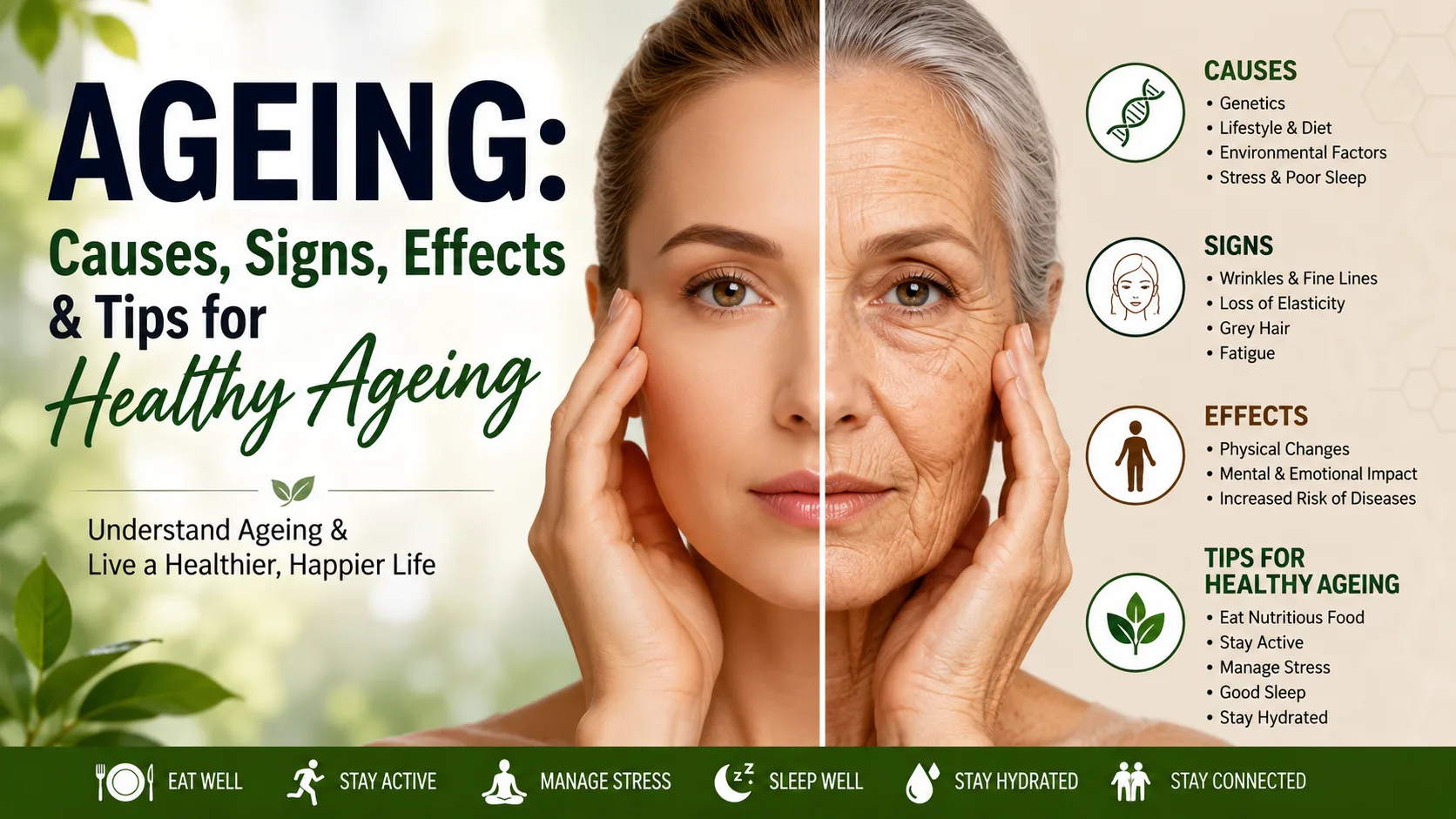
Ageing is a natural part of life. As people grow older, the body and mind gradually undergo various changes. These changes can affect the skin, muscles, bones, heart, brain, metabolism, vision, hearing and overall energy levels. Ageing itself is not a disease; it is a normal biological process that happens throughout life.
However, the way a person ages can differ significantly. Genetics, lifestyle, nutrition, physical activity, sleep, stress, environmental exposure and existing health conditions can all influence the ageing process.
Understanding ageing can help people make better choices for their long-term wellbeing. Healthy ageing is not about stopping the clock or trying to look young forever. Instead, it focuses on maintaining physical function, mental wellbeing, independence and quality of life as the years pass.
What Is Ageing?
Ageing is the gradual process of biological, physical and psychological changes that occur as a person gets older. It begins early in life, although many noticeable age-related changes become more apparent during adulthood and later years.
At the cellular level, the body’s ability to repair and replace damaged cells can gradually become less efficient. Over time, these changes may contribute to alterations in physical appearance, muscle strength, bone health, metabolism and organ function.
Ageing does not happen at exactly the same rate for everyone. Two people of the same chronological age may have very different levels of fitness, energy and overall health.
This is why lifestyle and environmental factors are important when discussing healthy ageing.
What Causes Ageing?
There is no single cause of ageing. Researchers describe ageing as a complex process involving multiple biological mechanisms.
1. Genetic Factors
Genes influence many aspects of ageing, including how the body responds to environmental stress, how efficiently cells repair damage and susceptibility to certain age-related conditions.
However, genetics are only one part of the picture. Lifestyle and environmental factors can also have a major influence on health as people age.
2. Cellular Changes
Cells continuously experience normal wear and tear. Over time, the body’s ability to repair cellular damage may become less efficient.
Changes in cellular function can contribute to gradual alterations in tissues and organs.
3. Oxidative Stress
Normal metabolism produces molecules known as reactive oxygen species. The body has antioxidant systems that help manage them.
When oxidative stress becomes excessive, it can contribute to cellular damage. Diet, smoking, pollution and other environmental factors can influence oxidative stress.
4. Inflammation
Inflammation is an important part of the body’s immune response. However, persistent low-level inflammation may be associated with several age-related health problems.
Maintaining a balanced lifestyle, eating a nutritious diet and staying physically active can support overall health and normal immune function.
5. Hormonal Changes
Hormone production and regulation can change with age. These changes may influence muscle mass, bone health, metabolism, mood, sleep and reproductive health.
The nature and timing of hormonal changes vary between individuals.
6. Lifestyle and Environmental Factors
Daily habits can influence how a person experiences ageing. Factors such as smoking, excessive alcohol consumption, prolonged inactivity, poor nutrition, chronic stress, insufficient sleep and excessive sun exposure can negatively affect overall health.
On the other hand, regular physical activity, balanced nutrition, adequate sleep and preventive healthcare can support healthy ageing.
Common Signs of Ageing
Ageing affects different people differently, but some changes are commonly associated with getting older.
1. Skin Changes
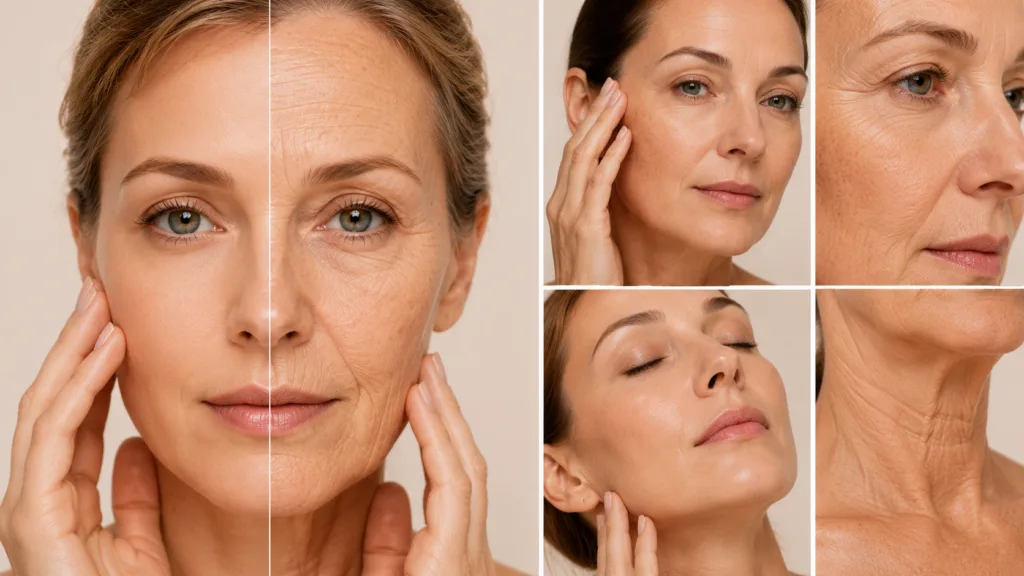
The skin may gradually become thinner and less elastic. Collagen and other structural components can change over time, contributing to:
- Fine lines
- Wrinkles
- Dryness
- Uneven pigmentation
- Reduced elasticity
Sun exposure can accelerate some visible signs of skin ageing, making sun protection an important part of long-term skin care.
2. Changes in Muscle Strength
Muscle mass and strength can gradually decrease with age, particularly when a person is physically inactive.
This can affect balance, mobility and the ability to perform everyday activities.
Resistance training and adequate nutrition can help support muscle health.
3. Bone Changes
Bone density can decrease with age. This is one reason why maintaining adequate calcium and vitamin D intake, participating in weight-bearing activities and discussing bone health with a healthcare professional can be important.
4. Changes in Vision and Hearing
Age-related changes may affect vision and hearing. Some people may eventually need reading glasses, hearing assistance or regular professional evaluations.
Regular eye and hearing checks can help identify problems early.
5. Changes in Energy and Metabolism
Metabolism and body composition can change with age. Some people may notice changes in energy levels or find it easier to gain body fat and harder to maintain muscle.
A combination of physical activity, balanced nutrition and adequate sleep can support metabolic health.
6. Changes in Memory and Thinking
Some changes in memory and processing speed can occur with normal ageing. For example, a person may occasionally take longer to remember a name or learn something new.
However, significant or rapidly worsening memory problems should not simply be dismissed as normaland should be discussed with a healthcare professional.
Effects of Ageing on the Body
It can affect almost every body system.
Cardiovascular System
Blood vessels and the heart can undergo age-related changes. Maintaining regular physical activity, eating a balanced diet and managing blood pressure and cholesterol can support cardiovascular health.
Musculoskeletal System
Muscle strength, flexibility and bone density may change with age. Strength exercises, walking and other appropriate physical activities can help maintain mobility.
Nervous System
The brain and nervous system also change over time. Staying mentally active, maintaining social connections, exercising and getting adequate sleep can support overall cognitive wellbeing.
Digestive System
Digestion and appetite can change with age. Eating sufficient fiber, drinking enough fluids and maintaining a varied diet can help support digestive health.
Immune System
The immune response can change as people get older. This makes preventive healthcare, appropriate vaccination and healthy lifestyle habits increasingly important.
How to Support Healthy Ageing
Healthy ageing is a long-term process rather than a single treatment or quick solution. Small, sustainable habits can make a meaningful difference over time.

1. Eat a Balanced Diet
Nutrition is one of the foundations of healthy ageing.
A balanced eating pattern can include:
- Fruits and vegetables
- Whole grains
- Beans and legumes
- Nuts and seeds
- Lean protein sources
- Fish or other nutritious protein choices
- Healthy fats
- Adequate fluids
As people age, maintaining adequate protein intake can become particularly important for supporting muscle health.
Rather than focusing on one “superfood”, aim for variety and nutritional balance.
2. Stay Physically Active
Regular physical activity supports cardiovascular fitness, muscle strength, balance and mobility.
A healthy exercise routine can include a combination of:
Aerobic activity: Walking, cycling, swimming or similar activities can support heart and lung fitness.
Strength training: Resistance exercises can help maintain muscle strength.
Flexibility exercises: Stretching and mobility exercises can help maintain range of motion.
Balance exercises: Activities that challenge balance may help support stability and mobility.
People who have health conditions or have been inactive for a long time should consider discussing an appropriate exercise routine with a healthcare professional.
3. Get Enough Quality Sleep
Sleep plays an important role in physical and mental wellbeing. Poor sleep can affect mood, concentration, energy and overall health.
Helpful sleep habits include maintaining a consistent sleep schedule, creating a comfortable sleeping environment and limiting stimulating activities close to bedtime.
Persistent sleep problems deserve professional attention rather than being automatically attributed .
4. Manage Stress
Long-term stress can affect sleep, mood, eating habits and overall wellbeing.
Simple stress-management strategies may include:
- Walking outdoors
- Breathing exercises
- Meditation
- Reading
- Spending time with friends and family
- Enjoying hobbies
- Maintaining a manageable daily routine
There is no single stress-management method that works for everyone. The goal is to find healthy activities that are realistic and sustainable.
5. Protect Your Skin
Sun exposure is an important contributor to visible skin ageing.
Useful protective habits include seeking shade, wearing protective clothing and using broad-spectrum sunscreen as appropriate.
A simple skincare routine focused on cleansing, moisturizing and sun protection can also help maintain skin health.
6. Keep Your Brain Active
Mental stimulation can support cognitive wellbeing.
Activities such as reading, learning a new skill, solving puzzles, playing music, writing, studying or learning a language can provide mental stimulation.
Social interaction is also valuable. Maintaining meaningful relationships and participating in community or social activities can contribute to emotional wellbeing.
7. Maintain a Healthy Weight
Maintaining a healthy body weight can support mobility and reduce the risk of several chronic health problems.
However, weight should not be viewed in isolation. Muscle mass, fitness, nutrition and overall health are also important considerations.
8. Avoid Smoking
Smoking can negatively affect almost every part of the body and is associated with numerous serious health problems.
Quitting smoking can benefit health at any age. People who smoke and want to quit can seek support from a healthcare professional or an established smoking-cessation program.
9. Limit Alcohol
Excessive alcohol consumption can negatively affect health and increase the risk of several health problems.
If you drink alcohol, staying within recommended limits and discussing alcohol use with a healthcare professional when appropriate can help reduce potential risks.
10. Have Regular Health Checkups
Preventive healthcare becomes increasingly important as people age.
Depending on age, sex, family history and individual risk factors, healthcare professionals may recommend monitoring:
- Blood pressure
- Cholesterol
- Blood glucose
- Vision
- Hearing
- Bone health
- Dental health
- Cancer screening
- Vaccinations
Regular checkups can help identify potential problems earlier.
Healthy Ageing vs. Anti-Ageing
The terms healthy ageing and anti-ageing are often used interchangeably, but they represent different ideas.
Anti-ageing commonly focuses on reducing visible signs associated with getting older, such as wrinkles or changes in skin texture.
Healthy ageing takes a broader approach. It focuses on maintaining physical function, mental wellbeing, independence and quality of life.
It cannot be completely stopped, but healthy lifestyle choices can support the body’s ability to remain active and functional throughout life.
Can Ageing Be Prevented?
No. Ageing is a natural biological process and cannot be completely prevented.
However, certain lifestyle and environmental factors are modifiable. Regular exercise, nutritious food, good sleep, stress management, avoiding tobacco and maintaining preventive healthcare can help support healthier skin.
The goal should not be to stop getting older but to maintain the best possible health and independence as you grow older.
Frequently Asked Questions About Ageing
What is ageing?
Ageing is the natural process of biological, physical and psychological changes that occur as a person gets older.
What are the common signs of ageing?
Common signs can include changes in skin elasticity, reduced muscle mass, changes in vision and hearing, alterations in metabolism and some changes in memory or processing speed.
What causes premature ageing?
Factors such as smoking, excessive sun exposure, poor nutrition, physical inactivity, chronic stress, insufficient sleep and excessive alcohol consumption may contribute to poorer health and some visible signs associated with ageing.
Can exercise help with healthy ageing?
Yes. Regular physical activity can support muscle strength, cardiovascular fitness, balance, mobility and overall wellbeing.
Is memory loss a normal part of ageing?
Minor changes in memory can occur with normal ageing, but significant, persistent or rapidly worsening memory problems should be evaluated by a healthcare professional.
What is the most important habit for healthy ageing?
There is no single habit that guarantees healthy ageing. A combination of regular physical activity, balanced nutrition, adequate sleep, stress management, preventive healthcare and avoiding tobacco provides a stronger foundation for long-term wellbeing.
Conclusion
Ageing is a natural part of life, and everyone experiences it differently. While biological ageing cannot be stopped, many lifestyle factors can influence overall health and quality of life as people grow older.
Eating a nutritious diet, staying physically active, getting enough sleep, managing stress, protecting the skin from excessive sun exposure, staying socially and mentally engaged, avoiding tobacco and maintaining regular healthcare can all contribute to healthy ageing.
Most importantly, healthy ageing should be viewed as a lifelong process. Instead of searching for a single solution to reverse ageing, focus on sustainable habits that support your body and mind at every stage of life.


