

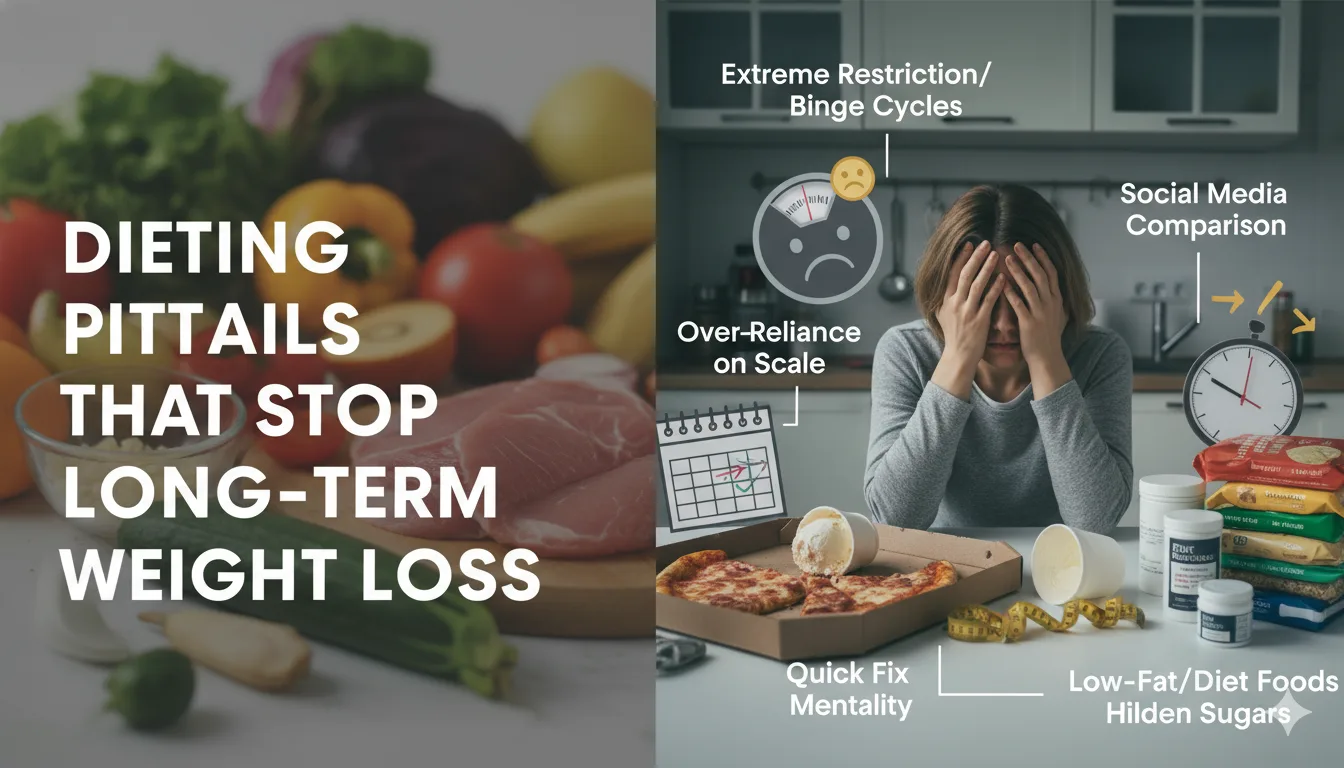
There are a lot of people who think about following a strict diet when it comes to weight loss. Some start with the genuine hope, with the feeling that this time it will work. You commit to a plan, stay consistent, and the results feel motivating. But over time, hunger increases, cravings return, and life’s daily pressure makes it hard to stick to it. And once again, you are back to square one. It happened to me also, so one thing I realised from this is that instead of following a diet blindly, it is very important to understand your body first.
Long-term dieting success is harder than most people usually think. According to studies referenced by the National Institutes of Health, a large percentage of people regain most of the weight they have lost within 3-5 years. The World Health Organization (WHO) points out that obesity and weight control are complicated, influenced by biology, environment, behavior, and social factors, not just the number of calories you eat.
Why Dieting Alone Doesn’t Work?
1. Your Body Is a Survival Expert
From a biological perspective, the body does not see dieting as a health goal; it often sees it as a possible threat. In most of human history, there were frequent food shortages, and they were dangerous, so the body learned to conserve energy whenever calorie intake dropped. This is a natural biological response, and it happens every time you start eating less than your body requires.
When calories are reduced significantly, your body naturally activates a survival mechanism to protect you. It naturally:
- Slows down metabolism to save energy
- Increase hunger signals to encourage eating
- Reduce calorie burn and daily movement
- Holding on to fat storage efficiently
This is the body’s natural mechanism; it is not like it’s working against you. It is doing exactly what it was designed to do, keeping you alive.
2. Hormones Increase Hunger and Cravings
The most common misunderstanding about weight loss is that most people assume it is all about willpower. But the reality is far more complex. The body works 24/7, constantly regulating hunger, fullness, and energy through hormones. When you suddenly start cutting down your calories, the body’s natural systems begin to shift.
At the start, motivation may carry you through, but as weeks pass, biological changes can make the process more difficult, even if you are doing everything right. During calorie restriction, the body responds in several ways, such as:
- Rise in hunger hormones
- Fullness signals weaken
- Stress hormones increase
- Energy-regulating hormones drop
3. The Psychology of Restriction: Why “No” Backfires?
The human brain is like a small child and doesn’t respond well to deprivation. In fact, the more you tell yourself you can’t have a certain food, the more your mind tends to focus on it. Foods labeled as “bad” or completely off-limits often gain even more psychological importance, which is why cravings can feel so intense during dieting.
You might have experienced this yourself, and it has probably happened to you too; you don’t think much about a particular food until the moment you decide not to eat it.
Gradually, while following a diet, this mental restriction can create a frustrating cycle. You may begin with strict control over eating, trying to follow every rule perfectly. But when the restriction becomes difficult to maintain, overeating can happen naturally – not because of a lack of discipline, but because the body and mind start feeling deprived.
4. Dieting Alone Ignores the “Support Pillars”
Weight is not always just about food; it reflects your overall lifestyle. According to studies, sleeping less than 6 hours can increase hunger hormones by up to 15-20% and raise cravings, especially for high-calorie foods. In my personal experience, I have noticed that after poor sleep, it becomes much harder to stick to healthy choices. And it’s not willpower – it’s biology.
Almost everyone is affected by stress and muscle health. Stress that lasts a long time raises cortisol levels, which makes the body store more fat in the abdomen. If you don’t do strength training, you could lose muscle, which could reduce your metabolism by 5-10%, making it hard to stick to a diet for a long time. Muscle burns more calories when it’s at rest.
5. Dieting Without Lifestyle Changes Is Temporary
Most of the diets focus on short-term rules rather than long-term ones; they eliminate certain foods completely from the eating list or drastically cut the calories. Nearly about 80% of people regain their lost weight within 1-5 years, because the main focus was on short term result, never on building sustainable habits for long-term results. For a short period of time, you may follow this perfectly, but when life gets busy, old routines return. Long-term success comes from consistency, not from temporary restrictions.
6. Muscle Loss Makes Weight Loss Harder
Rapid dieting, especially without strength training, can result in muscle loss along with fat. This can slow down your metabolism. According to research, 25-30% of weight loss during dieting may come from lean muscle. Since muscle burns more calories when your body is at rest and supports insulin sensitivity, losing it makes future fat loss harder. This is why dieting again and again often feels harder, and gaining the weight back becomes more likely.
7. Low Energy Reduces Daily Movement
When you eat fewer calories, your body instinctively slows down its movement to save energy. Most of the time, you don’t even know it’s happening; it’s a way for your body to defend itself by lowering your overall activity levels to save energy. Your body could give you signals, such as feeling more weary, walking less, wanting to sit more, and not wanting to work out.
A lot of people think they aren’t working hard enough, but the truth is that the body is just getting used to it. These little changes to your everyday routine might limit the number of calories you burn, which is one reason why weight loss plateaus develop.
8. The All-or-Nothing Mindset Leads to Quitting
Many diets promote perfection – no mistakes, no deviations, no flexibility. But in reality, achieving perfection is next to impossible, especially when it comes to following a strict diet routine long-term. You have to attend social gatherings, official events, busy schedules, and unexpected situations; somewhere, you have to break your rules. When someone breaks a rule, they often feel they’ve “ruined everything” and give up completely.
Research in behavior psychology shows that flexible approaches improve long-term adherence compared to strict rules. Sustainable progress comes from consistent efforts, not by following perfection.
9. Biological Weight Set Point
Hormones and your neurological system govern what is known as your “set point,” which is the weight your body normally wants to keep. Your body feels it’s in danger when you lose weight too quickly, so it makes modifications to bring the weight back.
For example, your metabolism might slow down by 10% to 15% more than you thought it would, hunger hormones like ghrelin might go up by 20% or more, and your fullness signals might go down. Research shows that these hormonal changes might linger for a year or more, which makes it challenging to keep the weight off. That’s why making little, lasting changes instead of going on a crash diet is the greatest way to get long-term outcomes.
10 . Motivation Is Temporary, Habits Are Long-Term
In today’s lifestyle, motivation fluctuates every moment, sometimes by mood, sometimes you don’t have the energy levels to do something extra, sometimes it’s sleep, and sometimes it’s life’s ups and downs.
You might feel highly committed one week and completely drained the next, and that’s perfectly normal. Relying only on motivation for weight loss often leads to inconsistency.
FAQs
1. Why do people regain weight after dieting?
People often regain weight after dieting because the body views significant calorie reduction as a threat, slowing metabolism (adaptive thermogenesis) and increasing hunger while reducing fullness signals. When old eating habits return after the diet ends, this combination of biological, metabolic, and behavioral factors makes long-term weight maintenance difficult without sustainable lifestyle changes.
2. Is dieting harmful to metabolism?
Yes, restrictive or quick diets can slow down metabolism by causing “metabolic compensation,” which is when the body reduces its baseline metabolic rate to save energy. This often makes you lose muscle, lowers the number of calories you require each day, and can make you gain weight again if you go on a diet again. Over time, gradual, balanced measures that include strength training and healthy habits can help protect and improve metabolism.
3. Can you lose weight without strict dieting?
Yes, you can lose weight without following a strict diet. By eating a balanced meal, not eating too much, getting enough sleep, and working out regularly, you can create a natural calorie deficit without harming your body. Instead of following rigorous diets, attempt to make tiny modifications to how you live your life on a regular basis.
4. Why do cravings increase during dieting?
Your body and mind are reacting to less food while you diet, which makes cravings go up. When you eat less, hormones that make you hungry, like ghrelin, can go up by 20-25%, while hormones that make you feel full, like leptin, can go down, making you feel hungrier. Also, calling items “forbidden” can make them even more enticing. Your body isn’t telling you that you don’t want to eat; it’s just telling you that it needs more food.
5. What is the most sustainable way for weight loss?
According to experts, aiming for 0.5-1 kg (1-2 lbs) per week, or 5-10% of body weight per year, is also a healthy weight loss goal. Making small healthy changes in your daily habits is the most sustainable way to lose weight instead of following extreme diets. Try to maintain a modest calorie deficit naturally by eating nutrient-rich foods, such as protein, vegetables, and whole grains. Along with this, do 150 minutes of weekly exercise and add strength training. This helps maintain a healthy metabolism and supports fat loss.
Final Takeaway
Permanent weight loss is difficult with diet alone because food doesn’t control weight. Other bodily functions like metabolism, hormones, sleep, and overall daily habits all contribute to your weight loss goal. Multiple failed dieting attempts don’t mean you lack discipline; it implies the method wasn’t complete.
Work with your body, don’t fight against it. Weight loss is about finding what works for your lifestyle and body, not punishing yourself. A little additional movement, improved sleep, or stress management can make a big difference over time. Daily routines, not temporary remedies, stick. Hold on, your body is learning, adjusting, and rewarding consistency.


