

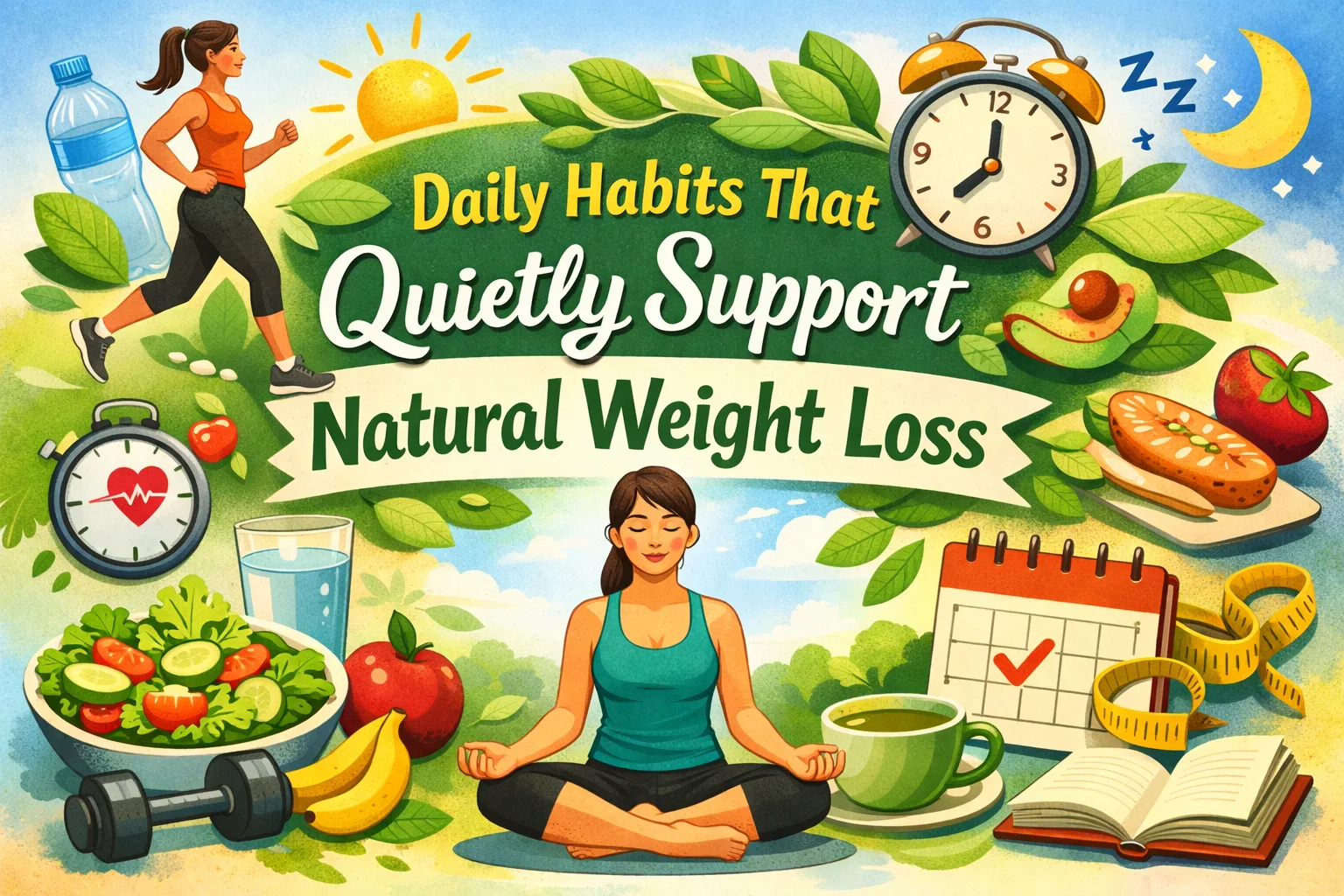
Stop me if this sounds familiar: you’ve tried keto, intermittent fasting, and early morning workouts, only to feel tired, frustrated, and right back where you started. Extreme plans can work short-term, but they’re hard to maintain and often lead to weight regain.
True, lasting weight loss comes from everyday habits backed by science. For example, eating more protein helps you feel fuller and increases the calories your body burns during digestion-about 20–30% of protein calories are used just to process it, compared with 5–10% for carbohydrates (Healthline). Studies also show that drinking water before meals can help reduce calorie intake by increasing fullness (National Institutes of Health).
In this guide, you’ll find simple, doable habits that naturally support weight loss-changes you can start today without turning your whole life upside down.
1. Drink Water First Thing in the Morning

After a night’s sleep, your body is naturally dehydrated. Instead of reaching out for coffee, drinking water first thing in the morning wakes up your body as well as your metabolism. It improves your digestion and reduces morning cravings.
In the morning, we are usually confused between hunger and thirst, so having a glass of water before breakfast helps you eating more reasonable portion.
For an extra boost, try adding a slice of lemon for vitamin C or a teaspoon of apple cider vinegar.
2. Make Protein a Priority
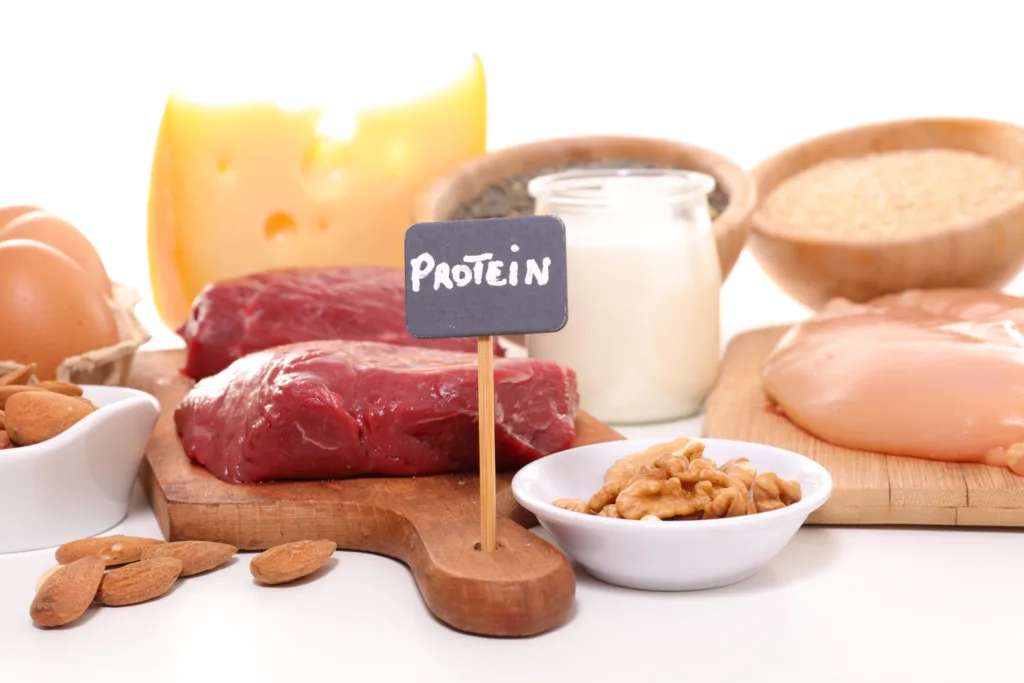
Protein is hyped as a bodybuilder’s food, but very few people know that it is very important for weight loss. Studies show that a high-protein diet increases the feeling of fullness upto 60%, helping you naturally eat fewer calories throughout the day.
To digest protein, the body requires more energy compared to carbohydrates or fats, which helps the body burn more calories and keeps energy levels more stable, helping prevent energy crashes and overeating.
In addition to this, protein also helps preserve muscle mass while you lose fat, ensuring that you get fitter and your body gets in shape in a healthier and more effective way.
So next time you think protein is only for gym-goers, pause for a moment-it’s really for anyone who wants to stay full, steady, and healthy while losing weight.
3. Move More Throughout the Day

Oh, I think a lot of you have heard this many times – keep your body moving. It’s not like you have to go for an hour-long walk; simple movements in your daily life can make a huge difference in weight management and overall health. Even short walks, stretching, or taking the stairs can boost calorie burn, support digestion, and keep your blood sugar steady.
Try taking a walking break if your lifestyle is sedentary. Ditch the elevator and show some love to the stairs. Stretch while your coffee is brewing. These simple habits can make you feel more active in your daily routine. So what are you looking at on the screen? Take a small stretch right now-otherwise, I know you’ll just read this and move on.
Tip: After lunch, go for a short walk and grab a small fruit like an apple or a few berries-it keeps you satisfied without overeating.
4. Prioritize Quality Sleep

Weight loss and sleep-I know many of you are thinking, is this really connected? Yes, it is. Sleep plays a very important role not only in managing your weight but also in your overall fitness and health. When your body is deprived of sleep, the hormonal balance starts going haywire, ghrelin rises, and leptin drops. This affects your mood and makes you crave more food without you even realizing it.
And when you’re tired, it drains your willpower to work out, and sugary snacks start to look more tempting. Studies show that people who sleep less than 6 hours lose more muscle and less fat than those who get 7-9 hours of sleep.
So make sure, starting today, that you have a proper sleep routine. To make that happen, skip heavy late-night snacking, avoid screens one hour before bed, and most importantly, keep your environment peaceful.
5. Eat Mindfully
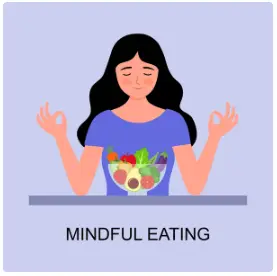
Having mindful eating may sound like an order, but it is actually very simple to follow. It’s all about tuning into your body and noticing the signs of when you are truly hungry or full. This signals your mind that you’re done and helps prevent overeating, because sometimes we mistake temptation for hunger.
So while eating, chew your food well, avoid screens, and stop when you feel full. These small habits help prevent overeating and make meals more satisfying.
This is a simple trick, but very effective-just give it a try yourself. Replace your larger plates with smaller ones; the same portion looks more filling on a smaller plate. This can naturally reduce your calorie intake by 10-20%. And yes, don’t forget to sip water in between. If it feels difficult at first, keep some healthy snacks with your meals or add a salad to help you feel satisfied.
6. Include Healthy Fats
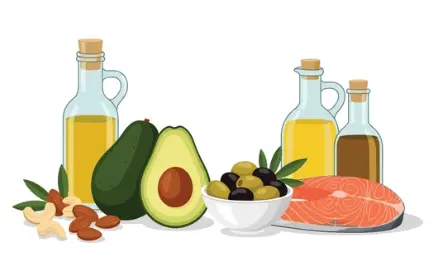
Though fats are not always considered good for the long term, there are healthy fats that actually help with weight management. They keep you full, support hormone balance, and improve nutrient absorption from your meals. Including good fats in your diet can prevent overeating and reduce cravings.
Healthy fats support weight loss, but make sure to eat them in moderation, as overdoing anything can be harmful. Studies from Harvard Health show that people who eat healthy fats often consume fewer calories because they feel fuller for longer.
7. Limit Sugary Drinks
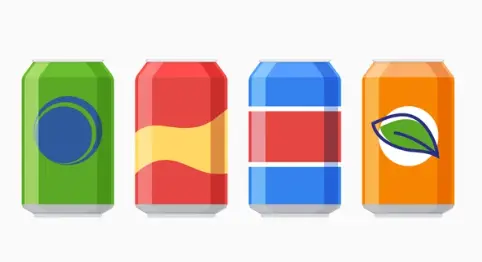
Yeah, I know it’s easy to say “avoid sugar,” but sugar is everywhere. It shows up in places you might not expect, like sauces, bread, or even flavored yogurt. For better health, you have to make some hard choices. It’s not about completely cutting it out-just eating it in moderation.
Eating too much sugar can seriously affect your health: it can spike your blood sugar levels, leave you craving more, and only add extra calories without any nutritional benefit. Over time, it can also increase the risk of health issues like type 2 diabetes, heart disease, and inflammation.
Cutting added sugar is easier than you think. I’m not saying this for no reason-I have done it myself. I was overweight, but swapping sweets for whole fruits, checking labels for hidden sugars, and pairing treats with protein or fiber made a huge difference in my weight loss journey.
8. Plan Your Meals Ahead
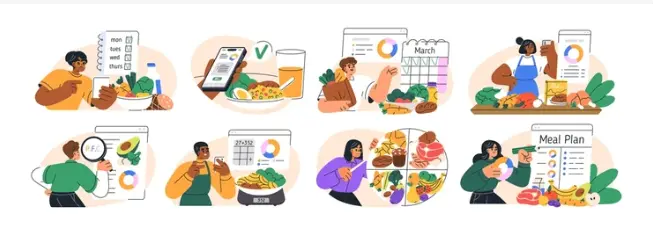
When you don’t have a plan, hunger and tiredness often take over, and you end up grabbing whatever’s easiest, usually something unhealthy. Having a simple idea of what you’ll eat ahead of time helps you make better choices and stick to them.
You don’t need a strict week-long meal plan. Even thinking about tomorrow’s meals and having the ingredients ready can make a big difference. Chop some veggies, cook some rice, or prep a protein in advance. This small step removes the last-minute stress that leads to poor food choices.
9. Eat Fiber-Rich Foods
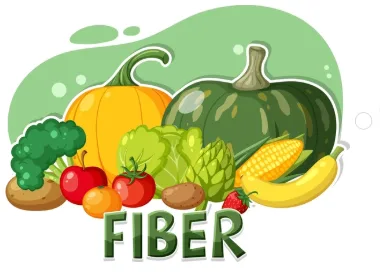
Fiber is easy to digest and helps with weight loss. When you make fiber a part of your daily meals, cravings tend to ease, and the habit of overeating without realizing it becomes less likely. I always include something fiber-rich in every meal, like vegetables, fruits, whole grains, or lentils. Even a sprinkle of chia or flaxseeds works wonders. Studies show that higher fiber intake is linked to eating fewer calories and better weight management.
10. Add Strength Training
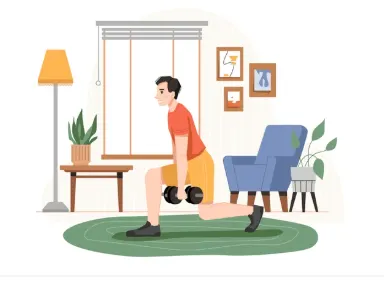
Now, most of the people will think that this is really funny; instead of weight loss, this habit will make us look more bulky. But the reality hits different. Strength training is very important in building your muscles, and it helps your body to burn more calories throughout the day. Muscle tissue needs more energy than fat, so the more lean muscle you have, the higher your metabolism stays, even when you’re resting.
And don’t worry about getting bulky, because you don’t need heavy gym sessions for this. I’m not really a gym person either, but I do strength training at home using my body weight with exercises like squats, lunges, or push-ups. You can also add dumbbells or resistance bands, or if that’s not possible, try some yoga poses or Pilates to build strength.
11. Manage Stress
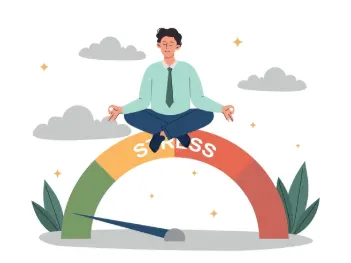
Stress can quietly slow weight loss by raising cortisol, a hormone that encourages belly fat storage. When stress is high, cravings increase and willpower drops, making healthy choices harder.
You don’t need anything complicated to manage it. A few minutes of deep breathing, journaling, listening to calming music, or taking a short walk can help your body relax and lower stress levels. Keeping simple snacks like nuts or carrot sticks nearby also helps prevent stress eating when tension hits.
12. Drink Green or Herbal Tea

Green tea and herbal teas are trending these days, and it’s not without reason-they can genuinely support your weight loss efforts. Green tea helps your body use energy better, while herbal teas aid digestion and reduce bloating, all without adding extra calories.
I know many people don’t like the taste in the starting days, but just give it a shot and make it a daily habit to drink 1-2 cups of green or herbal tea instead of sugary tea or coffee, and you’ll notice amazing results – not just on the scale, but also in your skin.
In my personal experience, this simple switch can lower your daily sugar intake without feeling restrictive, as it helped me. Over time, it supports better digestion, fewer cravings, and more consistent energy levels.
13. Limit Your Processed Food Intake
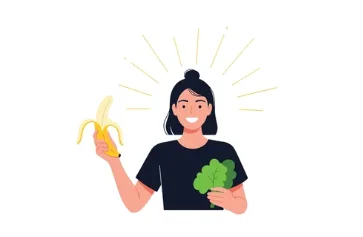
Processed foods are loaded with sugar, unhealthy fats, and excess sodium, which can slow weight loss and increase cravings. If you’re a fan of fast food, it’s time to change your eating habits.
At first, it might be tough to resist these temptations, but in the long run, it will be beneficial. Focusing on real, whole foods helps your body feel satisfied and naturally supports better metabolism and digestion.
Try swapping your meals just like I have started. I have replaced my chips packet with air-popped popcorn. You can also have roasted chickpeas if you want to add extra crunch to your snack.
14. Track Your Progress
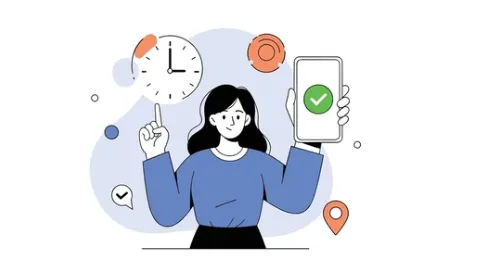
Tracking your progress is very important if you want to succeed in long-term weight loss. It helps you stay attentive to your daily habits and makes it easier to figure out what’s working in your favor and what’s not. Adjust what isn’t working and stay motivated without relying solely on the scale.
Earlier, when I started my weight loss journey, just for fun, I began journaling my daily habits without giving it much thought. But at the end of the day, when I read it, I started figuring out what mistakes I was making in the whole process.
Following this approach, start by journaling your food habits, tracking your daily steps or workouts using an app, and taking weekly progress photos. This not only contributes to your weight loss journey but also creates memories for the future to flaunt. These small steps will keep you motivated whenever you feel low.
15. Allow Yourself Small Treats

Losing weight is not about totally cutting off everything; it should not feel like punishment. Cutting off your favorite food will only make you more frustrated and can result in overeating later. Treat yourself well with your favorite snacks and food once in a while, but make sure to indulge more mindfully. This will help you stay focused and consistent and allow you to enjoy your routine without feeling deprived.
I’ve learned that completely giving up my favorite food backfires on me. I started feeling more frustrated and demotivated about my workouts. So I made sure to treat myself to a small piece of dark chocolate each day, eaten slowly without guilt. Pairing it with almonds keeps me satisfied longer and helps curb cravings, making it easier to stay on track.
Conclusion
You have seen or heard it somewhere and start skipping meals, somewhere you heard that, ‘Oh, fats are unhealthy,’ and stop eating them instantly. No, natural weight loss is not about extreme routines or giving up instantly.
Your daily habit that seems small but plays an important role in your overall health, especially if you have made up your mind to lose some pounds.
Don’t chase perfection, as nobody is perfect, just start making healthy changes, and it’s not like you have to make a very big change, start with simple changes that are easy to follow and don’t seem like burde. When a healthy routine becomes your priority, weight loss doesn’t feel like a struggle; it becomes something you can sustain long term.
FAQ’s
1. Is skipping meals good for weight loss?
Skipping meals is not at all good for weight loss; in fact, it can result in more weight gain. It may help you cut down calories for a short time, but it slows down your metabolic rate. This makes you feel hungrier because of a calorie deficit, leading to overeating later on, and even causes muscle loss. Eating a regular, balanced keep your energy levels steady and helps in weight loss.
2. Can stress affect weight loss progress?
Yes, stress can affect weight loss. High stress raises cortisol hormone, which increases appetite and encourages belly fat storage. It also makes cravings stronger and willpower weaker, making it harder to stick to healthy eating and exercise habits. Managing stress supports steady, long-term weight loss.
3. Does sleep really impact weight loss?
Absolutely, sleep has a big impact on weight loss. Poor sleep affects your hormones, resulting in increased cravings and a slow metabolism. People who sleep less than 7-9 hours may lose more muscle than fat. Good sleep makes you feel more refreshed and helps with appetite control, preserves muscle, and supports long-term fat loss.
4. Are carbs bad for weight loss?
Carbohydrates are not bad for weight loss; the key lies in choosing the right type that will help in calorie balance. Refined carbs (sugar and white flour) can slow progress by increasing hunger, while complex, fiber-rich carbs (whole grains, fruits, and vegetables) help you stay full and energized. Sustainable weight loss can be achieved by maintaining a healthy calorie deficit, in which you can include healthy carbs in the right portion.
5. Even after eating healthy, why am I not losing weight?
Struggling to lose weight even after eating healthy happens generally because sometimes you consume more calories than your body actually needs. Simply means that by eating healthy, you are also taking in more calories than your body is burning. Foods that are labeled “healthy” can also be calorie-dense if eaten in excess. Along with that, low physical activity, poor sleep, stress, or certain health conditions like hormonal imbalances can also make weight loss slower than expected.


