

Why I Decided to Try Dentolyn
Living in the U.S., dental care is something we’re constantly reminded about — expensive dentist visits, insurance limitations, and the ongoing push to maintain good oral hygiene at home. Even though I brush and floss regularly, I still struggled with a few nagging issues: occasional gum sensitivity, morning breath that didn’t fully go away, and a general feeling that my oral health wasn’t as strong as it could be.
I wasn’t dealing with a serious dental condition, but I knew something was off. My dentist recommended better flossing habits and mouthwash, which helped a little but didn’t feel like a complete solution. That’s when I started researching oral health supplements and came across Dentolyn.
Like most people, my first instinct was skepticism. The supplement space is crowded, and many products promise more than they deliver. So instead of buying into hype, I decided to approach Dentolyn the same way I would any health-related product: research first, then test it myself.
What Dentolyn Is Designed to Support
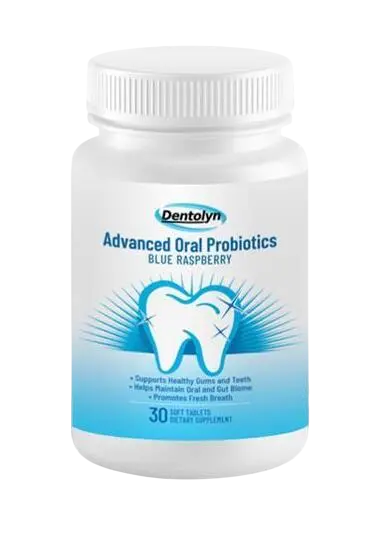
Dentolyn is marketed as a dietary supplement focused on supporting oral health from the inside out. Unlike toothpaste or mouthwash that work topically, Dentolyn aims to support gums, teeth, and overall oral balance through nutritional support.
Based on my research, This is designed to help with:
- Gum health support
- Oral bacteria balance
- Fresh breath
- Long-term dental wellness
It’s important to be clear: Dentolyn is not a replacement for brushing, flossing, or dental visits. It’s positioned as a supportive addition, not a cure.
A Look at the Ingredients (Science Without the Hype)
One of the main reasons I felt comfortable trying it was its ingredient profile. Instead of harsh chemicals or gimmicky compounds, it uses nutrients and minerals that already have a logical connection to oral and immune health.
Vitamin C (Calcium Ascorbate) stood out first. This is a gentle, non-acidic form of Vitamin C, which matters because acidic versions can sometimes irritate sensitive mouths. Vitamin C is well known for supporting collagen production — an important factor in maintaining strong, resilient gum tissue — and for protecting oral cells from oxidative stress.
Dentolyn also includes Vitamin B6 (Pyridoxal 5’-Phosphate), the active and bioavailable form of B6. This form is easier for the body to use and plays a role in immune balance and tissue health. In the context of oral care, it supports gum vitality and helps maintain a healthier oral environment.
Another interesting addition is Iodine, an essential mineral that supports the body’s natural cleansing processes. In small, controlled amounts, iodine contributes to microbial balance, helping limit the growth of harmful bacteria that can negatively affect oral hygiene.
Xylitol is a familiar ingredient for anyone who has used dental gums or oral-care products. It’s a tooth-friendly sweetener that doesn’t feed harmful bacteria. Instead, it encourages saliva flow, helps reduce dry mouth, supports fresher breath, and may contribute to lower plaque buildup over time.
This supplement also contains Chlorella Powder, a nutrient-dense green algae. Chlorella is often used to support detoxification and microbiome balance. In this formula, it contributes micronutrients that support gum comfort and overall oral wellness, while also aligning with the idea that oral health and gut balance are closely connected.
Another unique ingredient is Clinoptilolite Zeolite Powder, a naturally occurring volcanic mineral with a porous structure. Zeolite is commonly used for binding unwanted impurities and supporting internal cleansing, which may contribute to a cleaner and more balanced oral environment from within.
Finally, Magnesium Stearate is included as a functional ingredient to ensure consistent tablet formation and reliable nutrient delivery. It doesn’t contribute to oral health directly, but it helps make sure each dose is uniform and easy to take.
Overall, Dentolyn’s ingredient list feels thoughtfully assembled, focusing on support and balance rather than aggressive or short-term effects.
How I Used Dentolyn for 30 Days
To keep this review as honest and controlled as possible, I followed a consistent routine:
- Took Dentolyn daily as directed on the label
- Continued brushing twice daily and flossing once a day
- Did not change toothpaste or mouthwash brands
- Avoided adding any other oral supplements
I wanted this supplement to fit into a realistic American lifestyle — no extreme routines, no special diets.
Week 1: Getting a Baseline
The first week was mostly about observation. I didn’t expect anything dramatic, and that’s exactly what happened — nothing dramatic.
What I did notice was that Dentolyn was easy on my stomach. No nausea, no digestive discomfort, and no strange aftertaste. My gums felt about the same, and breath freshness hadn’t changed noticeably.
At this stage, it felt like a neutral addition, which is honestly a good sign early on.
Week 2: Subtle Changes Start Showing
During the second week, I started noticing small improvements. My gums felt less sensitive when flossing, especially in areas that usually bled a little. Morning breath felt slightly less intense, even before brushing.
These changes were subtle, but consistent. It didn’t feel like a placebo spike — more like gradual support.
Weeks 3–4: Clearer Patterns
By the third and fourth weeks, the patterns became clearer. My gums looked healthier overall — less redness and irritation. Flossing felt easier, and I wasn’t as hesitant around sensitive spots.
Breath freshness was noticeably better throughout the day. Not “minty” like mouthwash, but clean and neutral. That was actually one of the most pleasant surprises.
Buy Dentolyn Only On Official Website
What Dentolyn Did NOT Do
To keep this Dentolyn review honest, here’s what didn’t happen:
- It didn’t whiten my teeth
- It didn’t replace brushing or flossing
- It didn’t fix cavities or dental damage
Dentolyn supports oral health — it doesn’t override basic dental science.
Dentolyn vs Typical Oral Health Products
Most oral health products in the U.S. are topical: toothpaste, rinses, strips. Dentolyn works differently by supporting oral health internally.
This doesn’t mean it’s better — just different. I found that combining Dentolyn with good brushing habits created better overall balance than relying on surface-level products alone.
Common Mistakes People Make With Dentolyn
Based on my experience and reading other Dentolyn reviews, here are common mistakes:
- Expecting instant results
- Skipping daily use
- Neglecting brushing and flossing
- Using it inconsistently
Dentolyn works best as a daily habit.
Pros and Cons From Real Use
Pros
- Gentle and easy to take
- Supports gum comfort
- Helps with breath balance
- No noticeable side effects
Cons
- Results take time
- Not a cosmetic dental product
- Requires consistency
Who Dentolyn Is Best For
Dentolyn may be a good fit if:
- You experience mild gum sensitivity
- You want internal oral support
- You value gradual, sustainable results
It may not be ideal if you’re expecting cosmetic changes or instant fixes.
Real FAQs (User-Intent Focused)
Is Dentolyn FDA approved?
Dietary supplements are not FDA-approved, but they must follow U.S. manufacturing guidelines.
How long does Dentolyn take to work?
For me, noticeable changes appeared after 2–3 weeks.
Can Dentolyn replace mouthwash?
No. It works alongside regular oral hygiene.
Is Dentolyn safe for daily use?
I experienced no side effects when used as directed.
Who should not use Dentolyn?
Anyone with medical concerns should consult a healthcare provider first.
Final Verdict: My Honest Opinion After 30 Days
After a full month of daily use, Dentolyn proved to be a supportive and realistic addition to my oral care routine. It didn’t promise miracles, and it didn’t deliver hype-driven results — instead, it quietly improved gum comfort and breath balance.
For U.S. adults who already practice good oral hygiene and want extra internal support, Dentolyn is worth considering.
Disclaimer
This article reflects personal experience only. Results may vary. This content is for informational purposes and does not replace professional dental advice.


