

Alprazolam (Xanax) is one of the most common anti-anxiety medications used to assist with anxiety-related issues through its fast-acting calming effects. People also commonly ask if taking Alprazolam will help them lower their blood pressure as well, since anxiety and stress are known to increase blood pressure over time.
The answer to this question is simple: Although it does have a temporary effect on lowering your blood pressure, this happens only indirectly, and it should never be used as a solution for hypertension. Additionally, long-term use of Xanax may increase the risk of cardiovascular problems.
What Is Xanax?
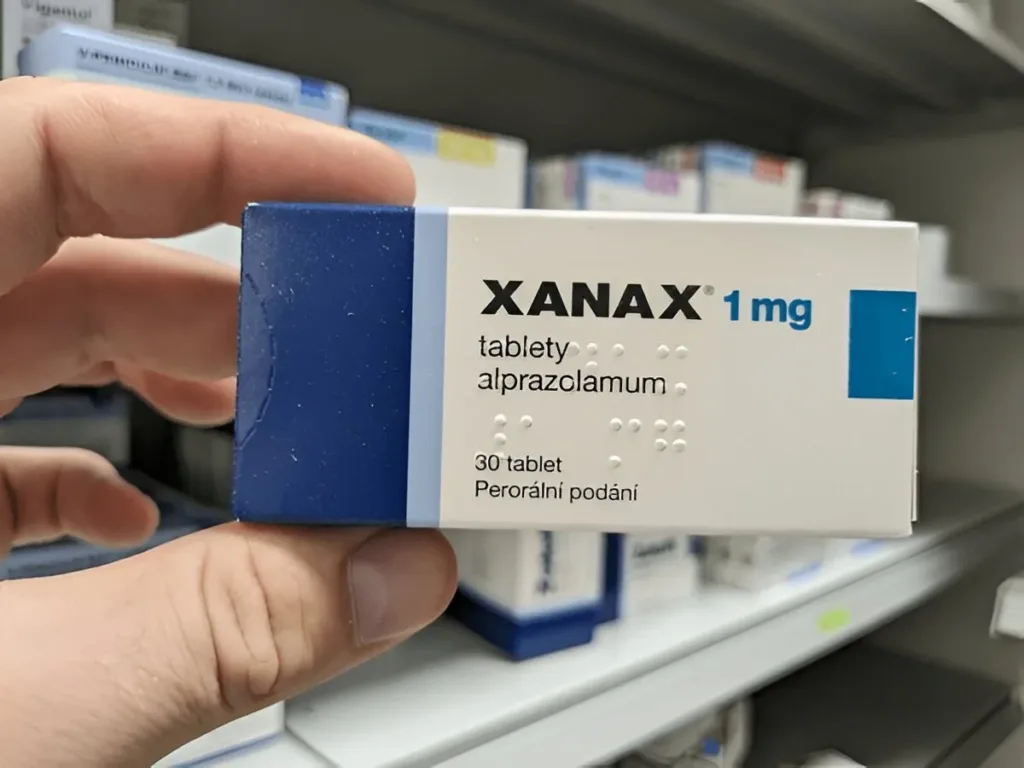
Xanax (alprazolam) is a fast-acting medication for people suffering from extreme levels of anxiety. As a member of the group of medications commonly identified as benzodiazepines, it increases the levels of GABA (Gamma Aminobutyric Acid) in the brain, which induces relaxation and calmness in the body and mind, thus reducing your levels of anxiety.
The most common reasons doctors prescribe it include:
- Generalized anxiety disorder (GAD)
- Panic attacks or panic disorders
- Stress-related anxiety for the short-term
- Anxiety associated with depression
Because Xanax can have a sedative effect, many doctors will often prescribe it “off-label” for sleep disorders (insomnia) or anxiety related to Premenstrual Syndrome (PMS). However, this practice is not common, and the primary use of this is as a short-term treatment option for extreme anxiety.
Does Xanax Lower Blood Pressure?
1. It Can Lower Blood Pressure – But Effects Vary
Although Xanax is associated with the ability to reduce blood pressure, it is important to note that the reduction does not occur directly and is very dependent on the circumstances in which it is used. Recent studies have shown that when you take this supplement, the effect is to slow brain activity; this effectively pushes you out of “fight or flight mode.” Because of this, it can cause the following physical responses:
- There is a decreased heart rate (as the nervous system is not as active)
- The blood vessels are relaxed (therefore allowing blood to circulate through your body more freely)
- There will be a slight dip in blood pressure when experiencing stress or anxiety, especially in stressful situations.
This temporary reduction in blood pressure can provide a calming effect to those individuals who may be experiencing anxiety or panic attacks, but overall, this reduction does not last long and, thus, should not be relied upon as an effective treatment for high blood pressure.
2. Xanax Is Not a Blood Pressure Medication
While blood pressure may be influenced by Xanax, xanax has not been tested or authorized for managing hypertension. The effects of Xanax on blood pressure vary from person to person; therefore, the use of Xanax as a medicine to help manage hypertension is uncertain and therefore not recommended by healthcare providers.
In short, Xanax should only be used for its prescribed purpose, which is primarily for the treatment of anxiety or panic attacks.
3. Long-Term Use Can Be Risky
Xanax is usually prescribed for short-term use because taking it for a long time can cause several problems. You might feel extremely drowsy or notice your thinking slowing down.
Once your body becomes used to it, it can be hard to stop. As time goes on, you may become tolerant, which means you require bigger doses to have the same effect. You can have strong withdrawal symptoms if you stop taking the medicine all at once.
For these reasons, doctors rarely recommend using benzodiazepines like this supplement for extended periods, not only because of the risk of dependence but also because they can unpredictably affect your blood pressure and heart rhythm.
Why Blood Pressure Drops After Xanax?
This supplement slows the heart rate, blood vessels, and nervous system during panic attacks. This means that both systolic and diastolic blood pressure can go down.
A meta-analysis conducted in 2023, encompassing seven studies, revealed that benzodiazepines, including Xanax, can transiently lower blood pressure in patients experiencing stress or hypertension.
A retrospective study conducted from 2009 to 2015, published in 2018, with around 5,000 ambulatory blood pressure recordings, associates regular benzodiazepine use with reduced blood pressure, especially in persons aged 60 and above.
In emergency patients with acute anxiety and very high blood pressure, alprazolam caused systolic blood pressure to drop like captopril over the course of 2 hours.
These benefits are clearer when anxiety is strong since its lowers stress on the heart and blood vessels. It is not clear if lowering blood pressure for a long time, either for 24 hours or as a regular treatment, works.
When Is Xanax Prescribed?
Doctors usually prescribe Xanax (alprazolam) to people experiencing anxiety to help them feel calmer and more in control quickly. It can help people with severe anxiety feel safe again and deal with the worst symptoms of their anxiety.
The FDA has approved Xanax to treat:
- Generalized anxiety disorder (GAD)
- Panic disorders
- Anxiety that comes from sadness
Xanax can also be prescribed off-label to treat:
- Insomnia for a short time
- Anxiety in some situations
- PMS, or premenstrual syndrome
- Supportive care for some kinds of depression
How Long Does It Take for Xanax to Work?
This supplement can start to settle you down very quickly, usually within 15 to 30 minutes of taking it. But the whole effect relies on the kind of tablet you take:
Fast result: Most of the time, you can feel it within 1-2 hours.
Disintegrating tablets: Usually work in 1.5 to 2 hours
Extended-release: It could take up to 9 hours for the full effect to kick in.
Your age, metabolism, body weight, and other drugs can all affect how quickly its works. This means that the exact time can be different for each person.
Can You Take Xanax With Other Drugs?
While this supplement has the potential to have any effect with a large number of medications, you should be aware of what other medications may affect the way Xanax works. Some medicines can cause unwanted effects when taken with Xanax, such as:
- Antibacterial medications
- Antidepressants
- Antifungal agents
- Antihistamines
- Cimetidine
- Cyclosporine
- Diltiazem
- Nifedipine
- Sedatives or muscle relaxants
- Seizure medication
- Sleep aids
- St. John’s Wort
Additionally, you should refrain from drinking alcohol while taking these supplement, as drinking may enhance the sedative effect of this supplement, decrease the rate at which you breathe (respiratory suppression), and, in extreme situations, increase the likelihood of an overdose occurring.
When to Call a Doctor?
Contact your doctor immediately if you experience:
- Very low blood pressure or fainting
- Severe dizziness
- Trouble breathing
- Irregular or fast heartbeat
- Extreme fatigue or weakness
- Confusion or unresponsiveness
- Heavy drowsiness
- Swelling of the face, lips, or throat
- Persistent nausea or vomiting
- Uncontrolled tremors
Key Takeaway
Xanax’s relaxing impact might drop blood pressure, but not enough to alleviate hypertension. For anxiety and panic, not high blood pressure.
Use Xanax safely and briefly with medical supervision. A quick pharmaceutical stop may cause withdrawal as a habit. If you have sudden blood pressure dips, oversedation, or health issues from this medicine, see your doctor. They can suggest safer, more effective long-term anxiety and blood pressure medicines.
FAQ’s
1. How fast does Xanax lower blood pressure?
The ability of Xanax to lower blood pressure is relatively fast, often within fifteen to sixty minutes, and this is due to the fact that it has the capacity to calm the body and reduce tension. Therefore, this medicine should not be used as a treatment for high blood pressure because this decrease is just temporary and cannot be predicted. Additionally, this decline is only temporary.
2. Can Xanax stop heart palpitations?
While Xanax may help with palpitations caused by anxiety by decreasing the speed of the body’s reaction to stress, it will not alleviate palpitations due to a heart condition. If symptoms continue, worsen, or occur without any apparent connection to anxiety, please seek immediate medical assistance.
3. Does Xanax thin your blood?
Xanax doesn’t make your blood thinner or change how it clots. Some people may assume it “thins” the blood because it slows down the central nervous system, which can make blood pressure drop for a short time. This impact has nothing to do with thinning the blood.
4. What are the common side effects of xanax?
Common side effects of Xanax include:
Drowsiness
Dizziness
Fatigue
Trouble concentrating
Slow coordination
Dry mouth
Changes in appetite
Memory issues
Lightheadedness
5. Does xanax lower cortisol?
For a short period of time, Xanax can lower cortisol. Cortisol levels may drop shortly after taking it since it lowers stress and slows down the body’s fight-or-flight response. But this effect doesn’t persist long enough or happen often enough to help with high cortisol levels that last for a long time.
Refrance Url: Healthline


