

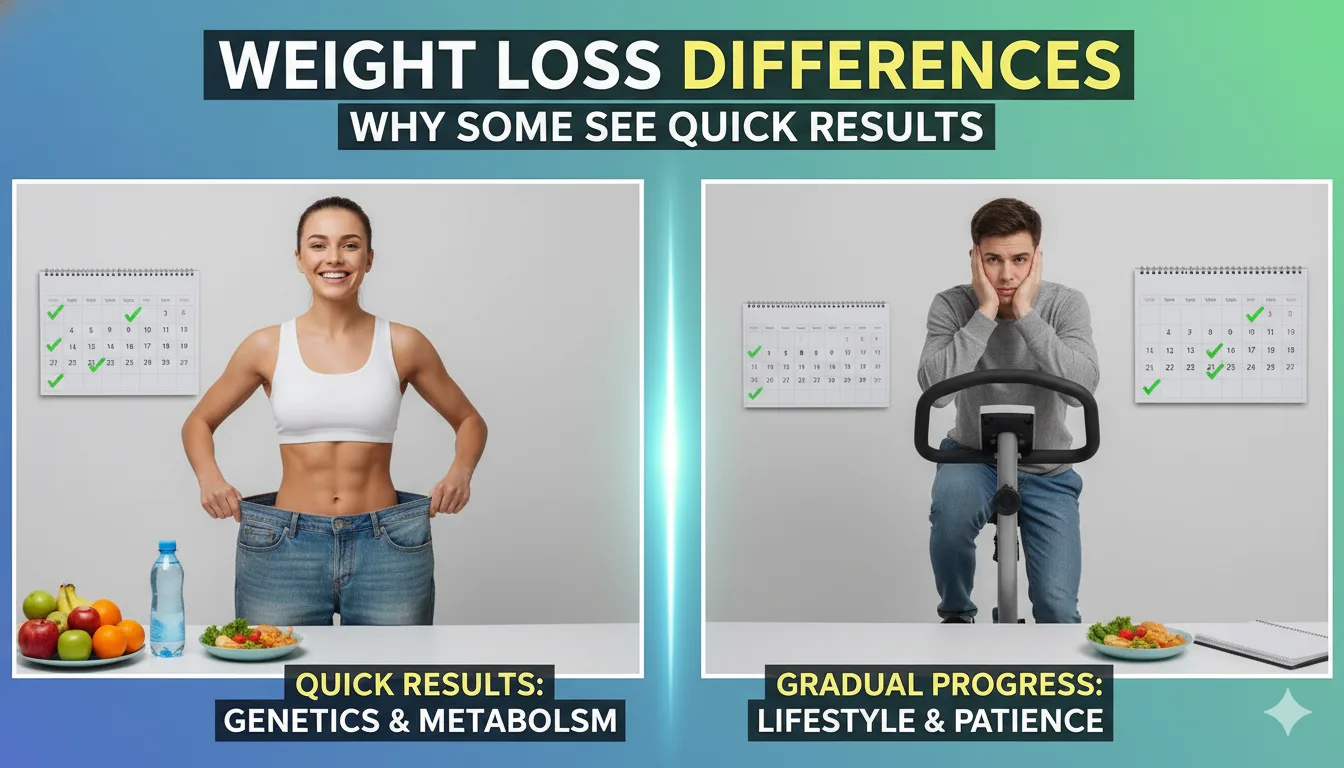
You’re eating well, going to the gym, and sticking to your routine, but you’re not seeing any effects. At the same time, someone else seems to be losing weight with less work. It’s annoying, complicated, and sometimes it just seems unjust. But not everyone loses weight in the same way. Genetics, metabolism, hormones, daily routines, and even gender can all affect how quickly someone loses weight.
For example, men tend to lose weight faster than women. Knowing these variances might help you understand why growth appears different for everyone and why comparing yourself to others is frequently not helpful.
1. Genetics
Genetics is a significant reason why some people seem to eat more but stay thin. Your genes determine how your body stores fat, how hungry you are, and how quickly you burn calories. This is why two people who follow the same diet and exercise plan might get quite different results.
Some people are naturally more likely to:
- Burn calories faster
- Store less fat
- Respond better to exercise
Some people find it easier to gain weight, especially around their stomach or thighs. This doesn’t mean you can’t lose weight; it just means that a more individualized strategy works better.
2. Metabolism
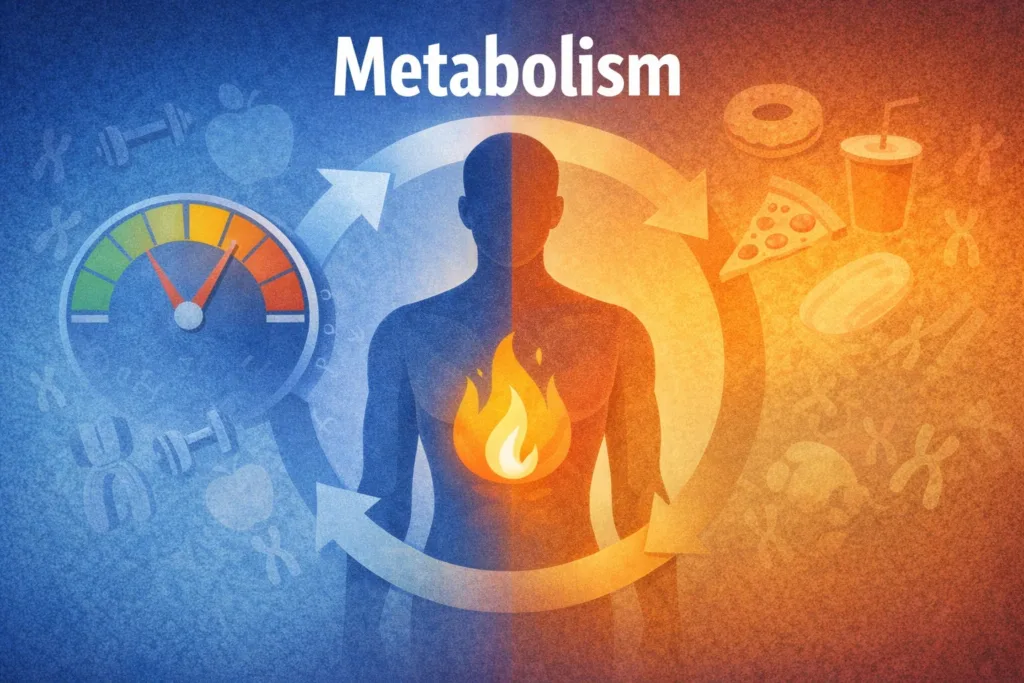
Your metabolism is the rate at which your body consumes food as energy. A faster metabolism means that you burn more calories, even while you’re not doing anything. This is why some people seem to lose weight more effortlessly than others.
Metabolism is affected by:
- Age
- Gender
- Muscle mass
- Hormone balance
If your metabolism feels slow, it doesn’t mean you’re stuck. Building muscle, eating enough protein, and staying active can help your body burn more calories over time.
3. Muscle Mass
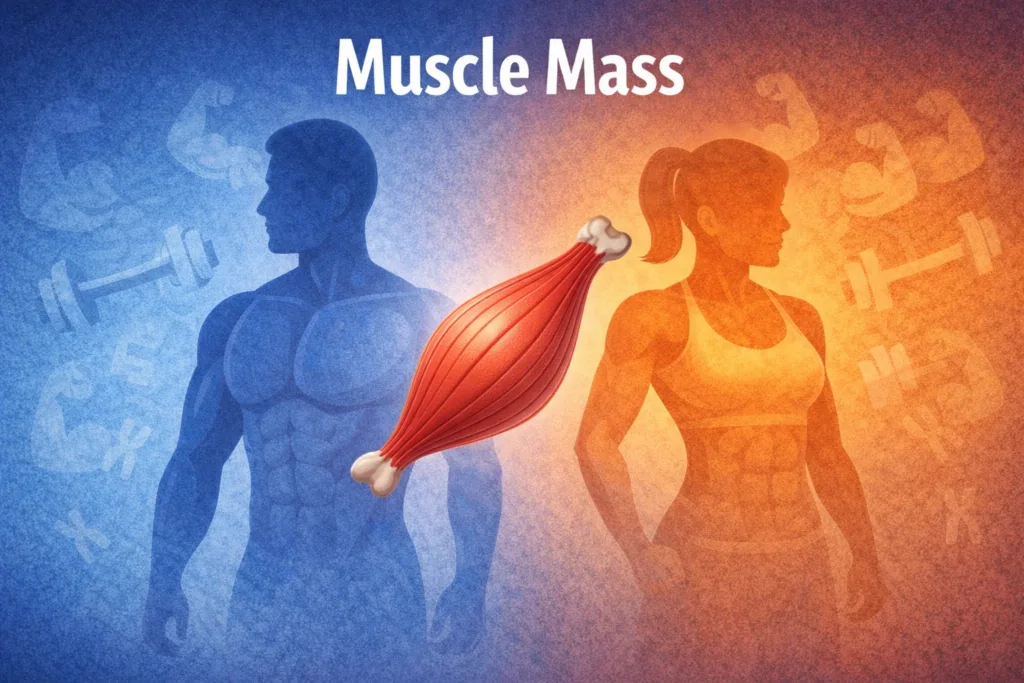
People who have more muscle tend to lose weight faster because muscle burns more calories than fat, even when they’re not moving. The more muscle you have, the more energy your body uses daily.
Strength training helps:
- Increase daily calorie burn
- Improve body composition
- Prevent weight-loss plateaus
This also explains why the scale doesn’t always indicate changes. Even if the weight stays the same, the body may look slimmer and more toned. Over time, doing simple exercises at home like squats, push-ups, or planks, coupled with getting enough protein, can really help.
4. Hormones
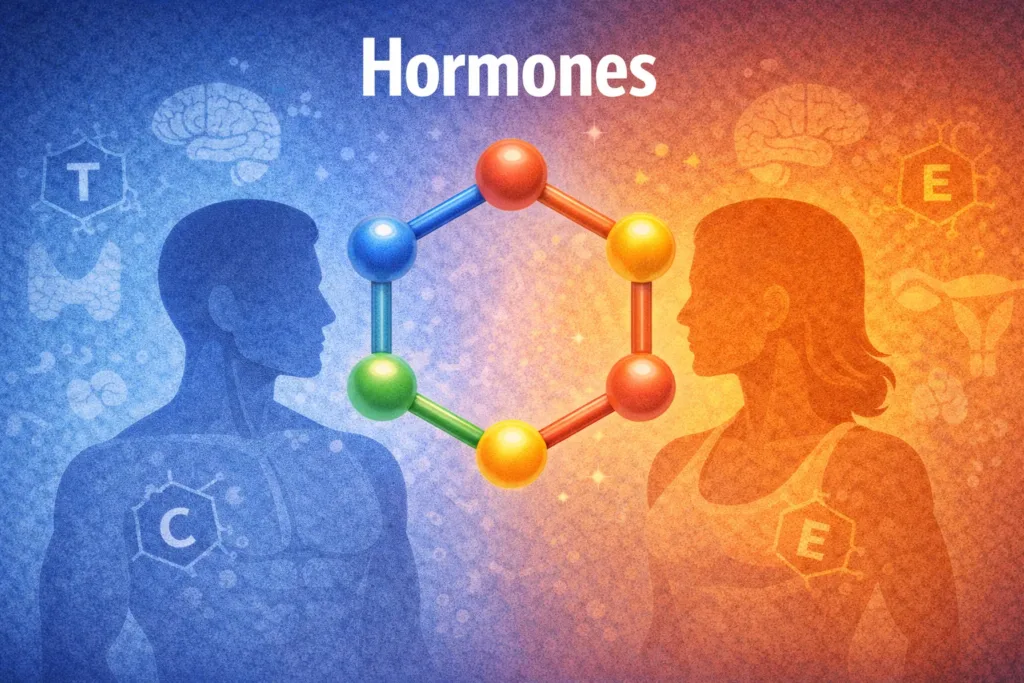
Hormones affect how much fat you store, how hungry you are, and how much energy you have. It’s simpler to lose weight when you’re balanced. Even a perfect diet can not work while you’re off.
Key hormones affecting weight loss:
- Insulin: Controls blood sugar
- Cortisol: Stress-related fat storage
- Thyroid hormones: Metabolism control
- Leptin and ghrelin: Hunger signals
Stress, not getting enough sleep, or eating a lot of sugar can imbalance hormones. Women with PCOS or thyroid disorders may have a harder time making progress. Hormones work better when you do simple things like moving around after meals, getting enough sleep, and eating balanced meals.
5. Age
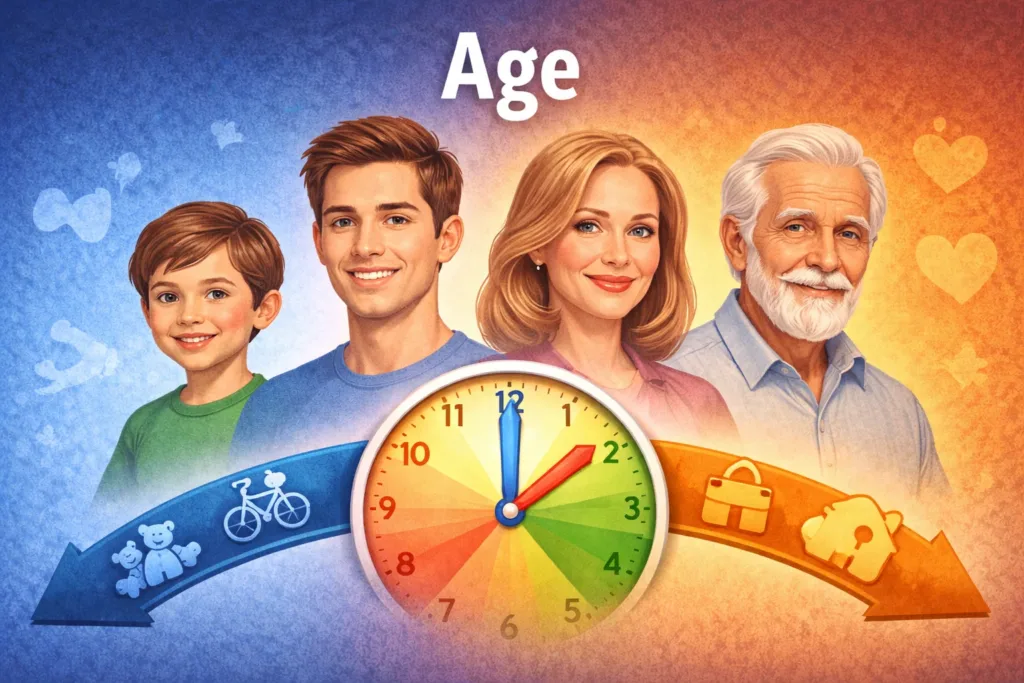
Age is a big factor in why people lose weight at varying rates. Our metabolism slows down, our muscles are weaker, and our hormones change as we get older. These alterations make it difficult to burn calories and store fat in a different way.
Your body is not the same as it used to be in 20’s. Even if you eat and exercise the same way, improvement may be slowed by the time you reach your 40s or 50s.
Important Points
- Slow metabolism means slow calorie burn
- Muscle loss lowers daily calorie burn
- Hormonal imbalance affects appetite, fat storage, and your energy levels.
Age doesn’t stop results. Keeping yourself physically active, building strength, and eating well supports steady, sustainable progress.
6. Physical Activity & NEAT
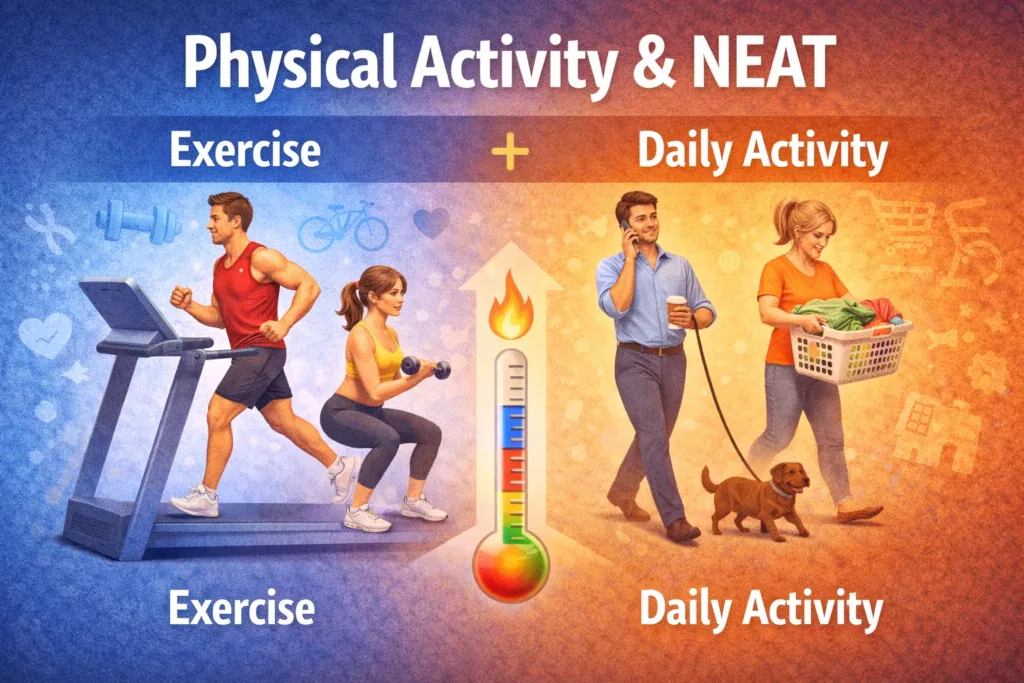
Everyday movements that are performed on a regular basis, like walking, standing instead of sitting, and doing regular household chores, enhance your weight loss by burning calories regularly. People with higher NEAT (Non-Exercise Activity Thermogenesis ) often lose weight faster compared to a normal individual without formal exercise.
Ways to boost daily movement:
- Take short walks or stretch every hour
- Stand instead of sitting whenever possible
- Do household tasks mindfully
- Drink water regularly to stay active
Small habits, like chewing gum or prepping meals ahead, can increase calorie burn and make weight loss easier.
7. Sleep & Stress Levels
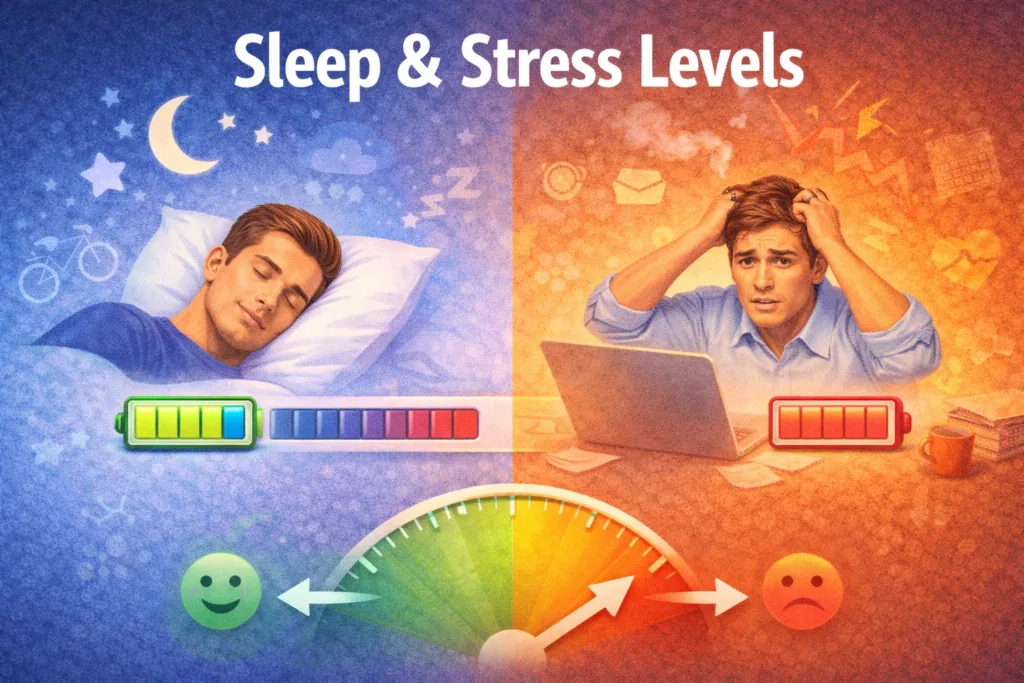
Not getting proper sleep results in imbalanced hormones. This hormonal imbalance makes you feel hungry, causes unnecessary food cravings, and slows down digestion. Stress increases cortisol levels, which makes the body store fat, especially around the abdomen.
How can you improve your sleep?
- Sleep 7-9 hours each night
- Move or stretch to relax
- Take deep breaths or drink herbal tea
- Maintain a regular sleep schedule
Even small changes, like a calm bedtime routine or a short daily walk, help hormones balance and support steady, sustainable weight loss.
8. Diet Quality (Not Just Calories)
Just by eating less, you can not lose weight. Your body weight is affected by your eating habits, as well as the type of food you are eating. Two people may eat the same amount of calories, but the one who chooses whole, real foods usually sheds weight faster and feels better.
Ways to improve your diet:
- Fill half your plate with vegetables and fruits
- Include protein in every meal, like eggs, fish, or beans
- Swap white bread and pasta for whole grains
- Add healthy fats like nuts, seeds, or olive oil
Cutting down processed foods and sugary drinks helps control appetite and supports long-term fat loss.
9. Water Weight and Diet
If you are seeing increase number on your weight scale does not mean that you are gaining fat. It can be a water weight that is temporary. Eating salty food or carb – heavy foods increases body water retention, which affects your weight.
Points to keep in mind:
- Consuming too much salt causes water retention
- Too much carb eating temporarily increases water weight
- Drinking water helps flush out excess water
- Early weight changes are often water.
Simply by making small changes in your eating habits, adding more balanced and nutritious meals to your diet, and keeping yourself properly hydrated, you can manage this water weight.
10. Mindset & Emotional Relationship With Food
Your emotional state and the way you eat your food also affect your body weight. Eating food while being stressed or in a bad mood makes the body struggle to process food properly, slowing down digestion. This leads to overeating and makes you gain more weight.
Ways to improve your relationship with food:
- Eat food when you are truly hungry.
- Keep your focus on steady progress, not perfection.
- While eating, don’t do anything extra like walking or talking.
Conclusion
Weight loss is personal and works differently for everyone. Focus on steady habits, healthy eating, regular movement, and taking care of yourself. Everyday small but consistent steps over time lead to long-lasting real results.
Frequently Asked Questions
1. Does hydration help in weight loss?
Drinking enough water keeps your body properly hydrated, helps you feel full for longer, improves blood flow, and supports healthy weight loss.
2. Does meal timing matter?
Eating more calories during the daytime helps the body burn more calories, as digestion works better compared to nighttime.
3. Can gut health influence weight loss?
A healthy gut helps the body in healthy digestion, manages hunger, and stores fat better. This make seasy to lose weight and keep yourself healthy.
4. Can genetics influence response to diet types?
Genes play an important role in how your body responds to different foods. For some people, high-protein or low-carb diets can work, while some needs different approach.
5. Can certain foods make weight loss easier?
Yes, eating more whole foods, protein, and fiber will help you lose weight in a healthy way and keep you full for longer.
Refrence: Healthline


