


If you’ve spent any time on social media, in a doctor’s waiting room, or scrolling through weight-loss forums this year, you’ve almost certainly come across tirzepatide — the medicine behind brand names Mounjaro and Zepbound. It’s been called a “miracle drug” by some, dismissed as overhyped by others, and surrounded by more myths than almost any medication in recent memory.
So does tirzepatide actually work, or is it just another fad riding the GLP-1 wave? In this article, we break down what the clinical trial data actually shows, what real patients are reporting in reviews, what the side-effect profile looks like, and what you should know before considering it in 2026.
What Is Tirzepatide, Exactly?
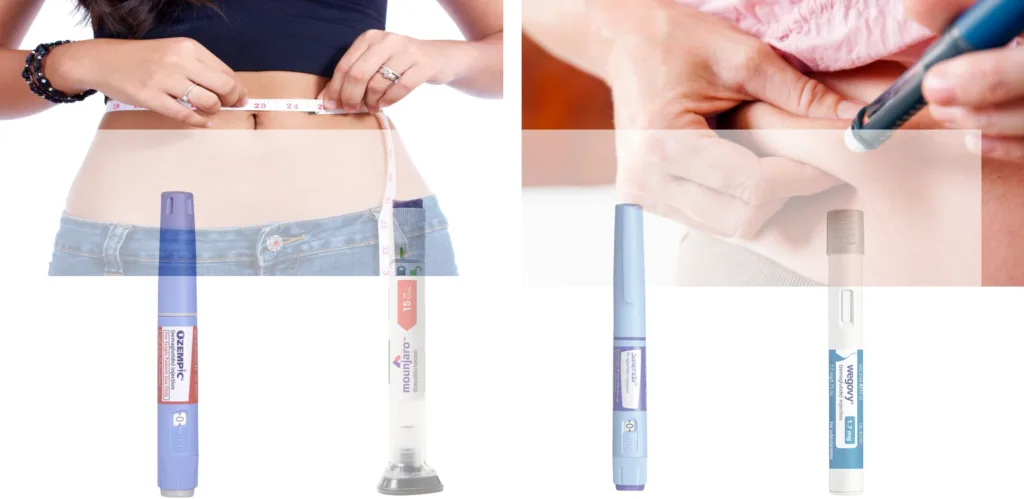
Tirzepatide is a once-weekly injectable medication that belongs to a newer class of drugs known as GIP and GLP-1 receptor agonists. Unlike earlier medications such as semaglutide (Ozempic, Wegovy), which act on only one gut hormone pathway (GLP-1), tirzepatide activates two: glucagon-like peptide-1 (GLP-1) and glucose-dependent insulinotropic polypeptide (GIP). This dual mechanism is thought to be a major reason tirzepatide tends to outperform single-pathway medications in head-to-head weight-loss comparisons.
In practical terms, tirzepatide works by:
- Slowing digestion, so food stays in the stomach longer and you feel full sooner
- Reducing appetite and “food noise,” the constant mental chatter about eating that many people with obesity describe
- Improving insulin sensitivity, which is why it was originally developed and approved for type 2 diabetes before becoming a weight-management treatment under the Zepbound brand
The Clinical Evidence: What the Trials Actually Show
The honest answer to “does it work” starts with the SURMOUNT and SURPASS trial programs, the large randomized studies that led to tirzepatide’s approval.
For weight loss (SURMOUNT trials):
- In the SURMOUNT-1 trial, participants without diabetes lost an average of roughly 21% of their starting body weight over 72 weeks on the highest dose, compared to about 3% in the placebo group.
- Category-based results from across the SURMOUNT series show that at the higher doses, the large majority of participants achieved substantial weight loss: over 90% lost more than 5% of body weight, and more than half lost over 15%, with a meaningful share losing over 20%.
- In SURMOUNT-3, people who combined tirzepatide with an intensive lifestyle program lost an additional 21% of body weight on top of what they’d already lost through diet and exercise alone, versus regaining weight in the placebo group.
- In SURMOUNT-2, which studied people who also had type 2 diabetes, average weight loss was lower — around 13–16% depending on dose — which reflects how diabetes itself can make weight loss somewhat harder to achieve.
For blood sugar control (SURPASS trials):
Across the SURPASS program in people with type 2 diabetes, tirzepatide produced meaningful reductions in HbA1c (long-term blood sugar levels), with some trials showing drops of more than two percentage points — a substantial improvement by clinical standards, and in many cases enough to bring participants’ A1C into a non-diabetic range.
Taken together, this is about as strong a clinical evidence base as exists for any obesity or diabetes medication currently on the market. The results aren’t hypothetical or based on animal studies — they come from tens of thousands of participants across multiple large, randomized, placebo-controlled trials.
Show Image
What Real Users Are Saying
Clinical trials are one thing — real-world experience is another. On Drugs.com, tirzepatide currently holds an average rating of 8.5 out of 10 across thousands of user reviews, with the large majority of reviewers reporting a positive experience for both weight loss and type 2 diabetes.
Patterns that show up repeatedly in patient reviews and community discussions include:
- Dramatic reductions in appetite and “food noise” — many users describe no longer thinking about food constantly, and feeling full after much smaller portions
- Steady, gradual weight loss, typically in the range of one to a few pounds per week once the body adjusts, with the most significant results usually appearing between three and six months
- A rough start for some, with nausea, fatigue, or digestive discomfort in the first few weeks, especially right after a dose increase
- A smaller group who discontinue due to persistent gastrointestinal side effects, even when the medication is working for weight loss
This mix lines up closely with what the clinical trials found: tirzepatide is genuinely effective for most people who stay on it, but it isn’t side-effect-free, and tolerability varies from person to person.
Buy Tirzepatide Online – Official Website, Cost & Options 2026
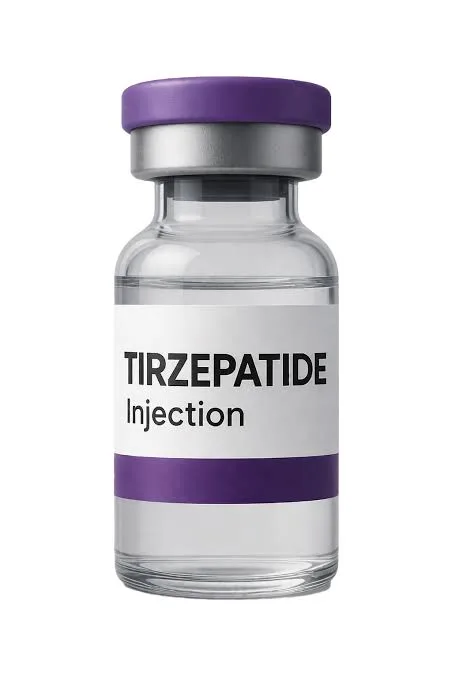
Common Side Effects (and Why They Happen)
Because tirzepatide works partly by slowing digestion, most of its side effects are gastrointestinal. According to pharmacist-reviewed drug information, the most frequently reported side effects include:
- Nausea and, less often, vomiting — most common when starting or increasing the dose
- Diarrhea or, in some people, constipation
- Heartburn, bloating, and stomach pain
- Burping and gas, including the widely discussed “sulfur burps”
- Reduced appetite (which is often the intended effect, but can catch people off guard)
- Fatigue and, in some cases, vivid dreams
Less common but more serious risks include pancreatitis, gallbladder disease, and — noted as a boxed warning on the medication label — a theoretical risk of thyroid C-cell tumors that has been observed in animal studies but not confirmed in human data so far. People with a personal or family history of certain thyroid cancers are generally advised to avoid tirzepatide.
Most digestive side effects ease within the first several weeks as the body adjusts, and starting on a low dose with gradual increases is the standard approach used to minimize them. Anyone experiencing severe or persistent symptoms should contact their prescriber promptly, since these can occasionally signal a more serious complication.
Show Image
Does It Work for Everyone?
No — and this is where a lot of the online hype gets misleading. A few important nuances from the research and real-world reports:
- Response varies by dose. Higher doses (10mg and 15mg) consistently produce more weight loss than lower starting doses. Many people need several months of gradual dose increases before seeing their best results.
- Diabetes changes the picture. People with type 2 diabetes tend to lose somewhat less weight than people without diabetes, likely due to differences in metabolism and insulin resistance.
- Lifestyle habits still matter. Trial data shows tirzepatide works best as an addition to — not a replacement for — reasonable dietary changes and physical activity. It doesn’t require extreme dieting, but it isn’t magic on its own either.
- Weight regain is common after stopping. Multiple trials have found that people who discontinue tirzepatide tend to regain a significant portion of the weight they lost, which is consistent with how obesity is now understood as a chronic condition requiring ongoing management, similar to high blood pressure or high cholesterol.
Is Tirzepatide Worth Considering in 2026?
Based on the totality of evidence — large randomized trials, real-world patient reviews, and pharmacist-reviewed safety data — tirzepatide has one of the strongest efficacy profiles of any weight-management or type 2 diabetes medication currently available. It is not without downsides: gastrointestinal side effects are common, cost and access remain real barriers for many people, and it’s intended for long-term use rather than a short-term fix.
For people who have struggled to lose weight through diet and exercise alone, or who need better blood sugar control, the research strongly supports tirzepatide as an effective option — provided it’s used under medical supervision, with realistic expectations about side effects and the need for ongoing treatment.
As with any prescription medication, the right move is a conversation with a licensed healthcare provider who can review your medical history, discuss dosing, and help you weigh the benefits against the risks for your specific situation.
Frequently Asked Questions
How much weight can you realistically expect to lose on tirzepatide?
Clinical trial averages range from roughly 13% to 21%+ of starting body weight over about 72 weeks, depending on dose and whether the person also has type 2 diabetes. Individual results vary.
How long does it take to see results?
Many people notice reduced appetite within the first few weeks, but the most significant weight loss typically builds gradually over three to six months and continues through the first year of treatment.
What are the most common side effects?
Nausea, diarrhea, constipation, reduced appetite, and burping are the most frequently reported, especially during the first few months or after a dose increase.
Do you regain weight after stopping tirzepatide?
Research indicates that most people regain a substantial portion of lost weight after discontinuing the medication, which is why it’s generally considered a long-term treatment rather than a short course.
This article is for informational purposes only and is not a substitute for professional medical advice. Talk to a licensed healthcare provider before starting or stopping any prescription medication.
Sources: GoodRx Health (tirzepatide side effects), Drugs.com (tirzepatide user reviews and ratings), SURMOUNT and SURPASS phase 3 clinical trial data (Eli Lilly and Company; The Lancet; JAMA; peer-reviewed literature).


